Boise Real Estate: Why Downtown Boise is Growing So Quickly in 2026
DOWNTOWN BOISE
Klark Kent Sparks
2/18/20267 min read
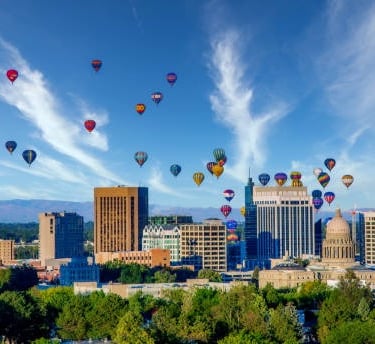
The Growth of Downtown Boise
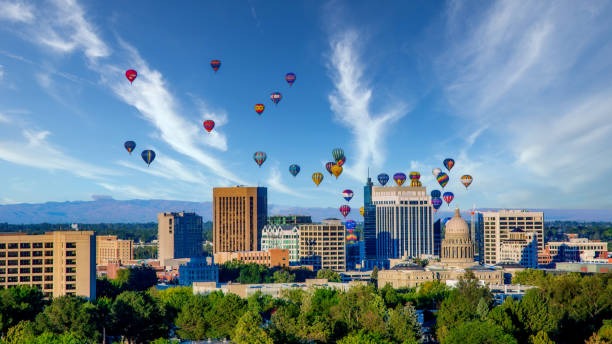
In recent years, downtown Boise has emerged as a focal point for significant growth within Idaho's real estate sector. The year 2026 marks a period of accelerated development, attracting attention from investors, homebuyers, and businesses alike. As urban areas across the United States evolve, Boise stands out, characterized by its unique blend of natural beauty, vibrant culture, and economic opportunities.
The rapid expansion of downtown Boise can be attributed to several interconnected factors that create an appealing environment. Firstly, the influx of new residents seeking a vibrant lifestyle contributes to a growing demand for housing. Young professionals, families, and retirees are increasingly drawn to the urban center for its amenities, accessibility, and community-oriented atmosphere. This demographic shift has resulted in a surge of interest in residential and commercial properties, driving real estate prices higher.
Moreover, initiatives spearheaded by local government and community organizations aim to enhance downtown Boise's infrastructure and livability. Investments in public transportation, parks, and recreational facilities not only improve the quality of life for current residents but also attract potential newcomers. This commitment to urban development plays a significant role in fostering an inviting environment that encourages businesses to set up shop in the area.
As the demand for properties increases, so too does the number of new developments. The construction of mixed-use spaces, apartments, and retail establishments is reshaping the urban landscape, providing diverse options for living and working. This ongoing transformation makes downtown Boise an attractive proposition for investors, further catalyzing the real estate market's growth.
Economic Factors Driving Growth
Downtown Boise has experienced remarkable growth in 2026, largely fueled by a robust economic landscape that fosters job creation and attracts both residents and investors. One of the primary drivers of this urban development is the diversification of industries establishing a presence in the area. High-profile companies, especially in technology and renewable energy sectors, have set up operations, resulting in an influx of skilled workers seeking employment opportunities. This job creation not only supports the local economy but also enhances the desirability of downtown Boise as a living destination.
In addition to large corporations, a flourishing startup ecosystem is contributing significantly to the economic vitality of downtown Boise. The entrepreneurial spirit evident in the local community encourages small businesses and startups to thrive, offering innovative products and services. Local entrepreneurs often take advantage of supportive resources such as incubators, networking events, and funding opportunities, further solidifying Boise’s reputation as an ideal place for new business ventures.
The real estate market in downtown Boise is also benefiting from these economic developments. As new investments flow into the city, the demand for housing surges, leading to a vibrant and competitive real estate market. Investors are drawn not only by the potential for financial returns but also by the appealing lifestyle that downtown Boise promises. The combination of increased population, thriving local businesses, and substantial investments creates a positive feedback loop that continually strengthens the economic landscape.
Furthermore, local government initiatives aimed at enhancing infrastructure and public services provide an additional layer of attractiveness for potential residents and investors. As downtown Boise continues to grow and evolve, it presents an exciting opportunity for those looking to engage in a burgeoning community driven by economic progress.
Population Influx: Who’s Moving to Boise?
In recent years, Boise has experienced a significant population influx, drawing a diverse array of new residents. This trend has been particularly pronounced in 2026, as more individuals and families seek an escape from urban congestion and high living costs in larger metropolitan areas. The demographic shift is marked by an increase in young professionals, families with children, and retirees, all of whom are attracted to the vibrant lifestyle that downtown Boise offers.
Many newcomers are motivated by the availability of job opportunities in various sectors, particularly technology, healthcare, and education. Boise's reputation as a burgeoning tech hub is well-deserved, with several startups and established firms setting up operations in the area. The promise of professional growth, coupled with a supportive community and favorable business climate, makes downtown Boise an enticing choice for those seeking career advancement.
In addition to economic factors, many individuals are drawn to the quality of life that Boise provides. The city boasts a strong sense of community, with a wide range of outdoor recreational activities, cultural events, and a lively downtown atmosphere. Families relocating to the area appreciate access to reputable schools, parks, and family-friendly initiatives. Moreover, retirees considering a move to Boise often cite the city’s low crime rate and welcoming environment as key reasons for their transition.
Furthermore, the COVID-19 pandemic has reshaped work and lifestyle preferences, making remote work possibilities increasingly appealing. As a result, many individuals from higher-cost states find that they can maintain their jobs while benefiting from Boise’s lower cost of living and enhanced quality of life. Such dynamics contribute to the ongoing growth of the city, strengthening its position as a desirable destination for a myriad of demographics while reinforcing the trend towards urban living in downtown areas.
Real Estate Market Trends in 2026
The real estate market in Boise has experienced notable trends in 2026, reflecting a rapid transformation driven by changing buyer preferences and economic factors. One significant trend is the steady increase in property prices, which has surged alongside the demand for housing in urban areas. According to recent data, the median home price in downtown Boise has seen a rise of approximately 15% compared to the previous year, making it increasingly challenging for first-time homebuyers to enter the market.
An important factor contributing to this price escalation is the limited housing inventory available in Boise. There has been a consistent shortage of homes for sale, which has created a competitive environment among buyers. With the population growth in downtown Boise, spurred by young professionals and families moving to the area, the demand for residential properties continues to outpace supply. This has led to bidding wars in many neighborhoods, further driving up property values.
In terms of property types, single-family homes remain highly sought after, yet there is a noticeable shift towards the demand for multi-family units and urban living spaces. Condominiums and townhouses in downtown Boise are experiencing increased interest, as buyers are inclined towards properties that offer convenience, access to amenities, and a vibrant lifestyle. This shift in preferences indicates a broader trend where buyers are prioritizing location and lifestyle over traditional single-family homes.
Additionally, the recent economic climate has influenced buyer behavior. With remote work becoming more permanent for many employers, individuals are seeking homes that accommodate flexible workspaces, thus altering what buyers prioritize in their home search. The emphasis on sustainable and energy-efficient homes has also gained traction, responding to the growing desire for environmentally friendly living solutions.
Infrastructure Developments and Urban Planning
In recent years, downtown Boise has witnessed a significant transformation driven by various infrastructure improvements and urban planning initiatives. Transportation enhancements have played a pivotal role in this growth, as the city prioritizes connectivity and accessibility. The expansion of public transit systems, including additions to the bus routes and the introduction of bike lanes, offers residents and visitors convenient options for navigating the downtown area. Improvements to major thoroughfares, alongside the development of pedestrian-friendly walkways, promote a more vibrant urban environment.
Moreover, ongoing urban development projects are reshaping the skyline of Boise, bringing in mixed-use spaces that cater to both residential and commercial needs. Developers are recognizing the demand for modern living accommodations, resulting in a surge of new apartment complexes and condominiums. These multi-purpose buildings not only contribute to increasing the residential population but also support local businesses by attracting foot traffic. Additionally, the city's commitment to maintaining a balance between urban growth and preservation is evident in the careful planning of these developments.
Another crucial component of downtown Boise's revitalization effort is the integration of green spaces. New parks and recreational areas have been established within the urban landscape, providing residents with a respite from daily city life. These green locations serve as essential communal hubs that enhance the quality of life, fostering a sense of community among residents. Furthermore, the promotion of sustainable practices in urban planning is evident through the incorporation of eco-friendly designs and infrastructure.
Overall, the combination of transportation enhancements, urban development projects, and green spaces makes downtown Boise an attractive and inviting area. As these infrastructure improvements continue to unfold, the growth of downtown Boise in 2026 seems poised to further attract residents and businesses alike, solidifying its position as a vibrant urban center.
Cultural and Recreational Appeal
Downtown Boise is rapidly gaining recognition as a vibrant hub of cultural and recreational activities. One of the most enticing aspects of life in this area is its flourishing arts scene, which features numerous galleries, theaters, and public art installations. The Boise Art Museum, for instance, plays a vital role in showcasing both local and national artists, making art accessible to residents and visitors alike. Furthermore, street performances and music festivals create an atmosphere that is both engaging and inclusive, drawing diverse crowds.
Entertainment options in downtown Boise are plentiful, ranging from live music venues to cinemas and comedy clubs, ensuring that there is always something happening. The historic Basque Block is a testament to the city's unique cultural heritage, where community events and festivals celebrate the traditions and contributions of the Basque people. These vibrant activities not only foster a sense of community but also attract individuals from outside the area, contributing to the local economy.
Additionally, outdoor recreational opportunities abound, thanks to downtown Boise’s proximity to natural landscapes. The Boise River Greenbelt offers a scenic pathway for walking, biking, or jogging, effectively enhancing the quality of life for residents. Access to parks like Julia Davis Park allows families to enjoy picnics, playgrounds, and cultural attractions such as the Idaho Anne Frank Human Rights Memorial. These features cater to diverse interests and age groups, promoting a healthy lifestyle and community bonding.
With a rich tapestry of cultural events, entertainment venues, and outdoor activities, downtown Boise provides an appealing environment for residents and visitors. Its cultural and recreational appeal is a significant factor in the area's rapid growth and development, making it an increasingly popular destination within Idaho.
The Future Outlook for Downtown Boise
The future of real estate in downtown Boise presents a promising landscape characterized by rapid urban development and community growth. As interest in the area continues to surge, various challenges and opportunities are emerging, shaping the long-term vision for this vibrant urban center. Notably, the influx of new residents and businesses is driving demand for mixed-use developments that blend residential, commercial, and public spaces. This trend not only fosters a dynamic community atmosphere but also enhances the overall quality of life for its inhabitants.
One critical opportunity pertains to the adaptive reuse of historic buildings. As the city embraces its heritage, developers are increasingly investing in the revitalization of older structures, creating unique spaces that reflect Boise’s character while accommodating modern needs. This preservation approach not only conserves the cultural essence of downtown but also contributes to sustainability initiatives by minimizing demolition waste and repurposing existing materials.
However, rapid development can also pose challenges, including the potential for housing shortages and rising costs. As demand for real estate in downtown Boise escalates, developers must balance new projects with the need for affordable housing options. Addressing these concerns will be essential to ensure that downtown remains inclusive and accessible to a diverse population.
Looking ahead, the city’s long-term vision focuses on enhancing public transportation, expanding green spaces, and fostering community engagement. These initiatives aim to create a walkable urban environment, making downtown Boise not only a hub for businesses and professionals but also a welcoming space for families and visitors. By prioritizing smart growth strategies, Boise can maintain its charm while evolving into a leading example of urban development in the years to come.
Contact
Reach out for personalized real estate guidance.
© 2026. All rights reserved.