
Commute Times in 2026: A Look at Downtown Boise to Major Employers
DOWNTOWN BOISE
Klark Kent Sparks
2/17/20267 min read
Introduction: Understanding Commute Dynamics in Boise
Commute times are a fundamental aspect of urban living, impacting daily life for residents and influencing business operations. In Boise, the dynamics of commuting shape not only the individual experiences of its citizens but also the broader economic landscape. With the growing popularity of this vibrant city, understanding commute patterns has become increasingly crucial for both residents and employers.
The journey from downtown Boise to major employers can vary widely in duration and complexity, reflecting the interplay of various factors, including traffic congestion, road infrastructure, and population density. As more individuals choose to reside in areas surrounding the city center, the implications for commute times are significant. Residents are keen to optimize their travel experiences, seeking routes that minimize time spent in transit while maximizing productivity and personal satisfaction.
Furthermore, employers in Boise must consider commute dynamics when making decisions about location, workforce recruitment, and retention. A commute that is perceived as overly lengthy or unreliable can deter potential employees from considering job opportunities, thereby affecting talent acquisition strategies. As Boise looks to the future, projected changes in population growth, urban development, and transportation infrastructure will play pivotal roles in shaping commuting patterns.
By examining the current state of commute times and anticipating future changes by 2026, stakeholders can make informed decisions that influence urban planning and economic development. Understanding these dynamics is essential to fostering a well-functioning city that meets the needs of its residents while supporting business growth and overall community well-being.
Current Commute Times in Boise: A Baseline
The average commute times from downtown Boise to major employers serve as a critical indicator of the city’s transportation dynamics. Currently, the mean commute duration is approximately 20 minutes for most residents who travel by car. This duration can fluctuate based on the time of day, with peak hours often extending commute times by an additional 10 to 15 minutes. Notably, the busiest times tend to occur between 7:30 AM and 9:00 AM and again in the late afternoon from 4:30 PM to 6:00 PM, characterized by an increased volume of traffic.
For commuters utilizing public transport, the average travel time is generally longer, averaging 35 to 40 minutes, due to scheduled stops along routes and potential delays. This mode of transport provides a viable alternative for those who prefer to avoid the hassle of driving, yet the extended timeframe can still be a concern for many commuters.
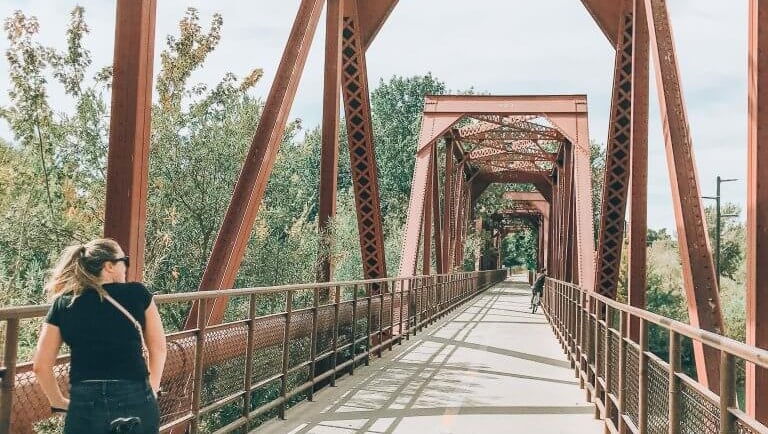
In terms of cycling, Boise boasts a growing network of bike lanes and paths. Cycling from downtown to larger employment centers can take approximately 25 to 30 minutes, depending on the exact location. This option not only reduces commute times but also contributes positively to the environment and public health.
Traffic patterns in Boise have shown an upward trend due to population growth and urban development, making it essential for city planners to analyze these trends. As commuter demands increase, challenges such as congestion during peak hours will likely necessitate innovative traffic solutions and improved public transportation systems in the forthcoming years.
Anticipated Infrastructure Developments by 2026
As we look towards the year 2026, the urban landscape of Boise is set for significant transformation, particularly concerning the infrastructure that supports commuting. A range of initiatives has been proposed to address the growing demand for efficient and sustainable transportation options. These anticipated developments are expected to enhance accessibility to major employers while reducing commute times for the city's workforce.
One of the critical projects slated for completion is the expansion of major roadways. Efforts will focus on widening existing streets and adding new lanes to alleviate congestion during peak hours. These expansions aim to improve the flow of traffic, thereby reducing delays for drivers. Moreover, intelligent transportation systems will be integrated, utilizing real-time data to manage traffic signals effectively and inform commuters of optimal travel routes.
Public transportation enhancements are also on the horizon. The Boise public transit system is set to undergo improvements, with expansions planned for bus routes that connect residential areas with key employment hubs. Furthermore, the implementation of electric buses is anticipated, promoting both sustainability and reduced operational costs. This shift will not only improve commute efficiency but also provide residents with more reliable transit options.
In addition to road and transport upgrades, the development of cycling paths is crucial. A network of dedicated bike lanes is planned to encourage cycling as a viable commuting option, promoting eco-friendliness while reducing vehicular traffic. Bike-sharing programs will likely accompany this initiative, making cycling more accessible and convenient.
New technologies such as smart parking solutions and mobile apps for public transport tracking are expected to be rolled out by 2026. These innovations will enhance the commuting experience by providing users with up-to-the-minute information, ensuring that they can make informed decisions about their travel methods.
Overall, the upcoming infrastructure developments in Boise hold the promise of significantly improving commuting efficiency, making it easier for residents to access jobs and thereby stimulating local economic growth.
The Role of Remote Work and Flexibility in Commuting
As society advances towards a more technologically integrated future, the shift towards remote work and flexibility has fundamentally altered commuting patterns, particularly in urban centers like Boise. Recent studies indicate that companies are increasingly adopting telecommuting policies that promote a work-from-home model, thereby reducing the need for traditional commuting during peak hours. A survey conducted by the U.S. Bureau of Labor Statistics highlighted that in 2022, approximately 30% of the workforce engaged in remote work at least one day a week, a trend that is expected to grow substantially by 2026.
Experts predict that this cultural shift will lead to notable changes in downtown Boise’s rush hour congestion. The rise in telecommuting means fewer employees will travel to work during traditional morning and evening hours. Consequently, local traffic is anticipated to see a decrease in volume during these peak times, resulting in a smoother flow of vehicles. Data from traffic modeling indicates that if remote work becomes a long-term solution, the city could witness a reduction of up to 20% in rush hour traffic by 2026.
Additionally, flexible working hours provide employees with the opportunity to tailor their schedules to accommodate personal needs, further dispersing commute times. This level of adaptability not only enhances employee morale but also decreases the stress associated with commuting. Boise’s employers may embrace staggered work hours, resulting in an even distribution of traffic throughout the day. The implications of this evolution are significant; as more businesses adopt hybrid working models, it is likely that the traditional rigid structure of commuting will continue to evolve, ultimately weaving the fabric of urban mobility into new forms.
Environmental Impact of Changes in Commute Times
As urban areas evolve, the efficiency of commute times is becoming increasingly important, not only for individual productivity but also for the environment. In Boise, a significant reduction in commute times by 2026 is anticipated to yield progressive environmental benefits. Shorter daily travel distances often correlate with lower carbon emissions, contributing to a cleaner atmosphere. By lessening the time spent on the road, vehicles will run for shorter durations, which directly reduces fuel consumption and harmful emissions that contribute to air pollution.
Additionally, the embrace of alternative transportation methods plays a crucial role in this transformation. Modes such as cycling, walking, public transit, and carpooling are expected to become more prevalent as commute times decrease. These alternatives significantly diminish the carbon footprint associated with daily work commutes. The development of infrastructure that supports these methods, such as bike lanes and improved public transit systems, further incentivizes residents to utilize greener travel options. This shift is not merely a trend but a necessary component of urban sustainability efforts aimed at combating climate change.
The overall sustainability benefits for the city of Boise extend beyond emissions reduction. Enhanced public transit systems and integrated transport networks promote social equity by providing accessibility to various populations, including those who may not own vehicles. Furthermore, as Boise modernizes its commute system, it fosters a cultural shift towards environmental consciousness among its residents. By prioritizing green transportation options and refining transit efficiency, the city positions itself as a leader in urban sustainability, paving the way for a more resilient future.
Local Perspectives: Resident Interviews and Opinions
To gain a clearer understanding of the commuting experience in Boise, we conducted a series of interviews with local residents and commuters. Their insights reflect the diverse perspectives of those who navigate the daily transportation landscape of the city. As interviewees shared their stories, several recurring themes emerged, offering valuable insights into current commuting challenges and expectations for the future.
Many residents expressed frustration with traffic congestion during peak hours, noting that commutes often extend much longer than anticipated. One commuter mentioned, "What used to be a 15-minute drive to my office has now turned into a 30-minute ordeal during rush hour. It can be quite stressful, especially when I have early meetings." This sentiment was echoed by several others who highlighted that as Boise continues to grow, the existing infrastructure may struggle to accommodate an increasing number of vehicles.
Looking ahead to 2026, many respondents expressed hope for improvements in public transportation options. One resident stated, "If the city expands its bus routes and increases service frequency, it would encourage more people to leave their cars at home, which might alleviate some of the pressure on the roads." The growing recognition of alternative commuting options indicates a shifting mindset among residents, which may play a crucial role in shaping Boise’s transportation future.
Additionally, several individuals shared insights about the evolving commuting landscape due to remote work trends. A local employee noted, "I now have the flexibility to work from home two days a week, which significantly lessens my commute stress. I can focus on family and work without worrying about travel time." This shift indicates that the commuting landscape may be more adaptable than previously thought, emphasizing the need for city planners to remain cognizant of changing work patterns as they develop strategies for future transportation improvements.
Conclusion: Envisioning the Future Commute in Boise
As we look toward the future of commute times in Boise, it becomes essential to comprehend the key trends and predictions that have been discussed throughout this analysis. The commute dynamics between downtown Boise and major employers are vital not only for residents' quality of life but also for the overall growth and sustainability of urban planning initiatives in the region.
Future commuting patterns will likely be characterized by an increased reliance on alternative transportation methods, such as public transit, biking, and walking. These changes are expected to reduce traffic congestion, improve air quality, and lead to a more interconnected urban landscape. Moreover, the integration of technology in commuting, such as ridesharing applications and real-time transit updates, can significantly enhance urban mobility.
Moreover, understanding these commuting dynamics presents businesses with opportunities to adapt their strategies. By providing flexible work arrangements and remote work options, employers can accommodate the evolving preferences of the workforce, thus improving employee satisfaction and retention. The successful integration of commuting solutions will not only contribute to individual well-being but also enhance the community's economic resilience.
In conclusion, the future of commute times in Boise must be approached with a forward-thinking mindset. By prioritizing sustainable transportation options and fostering a collaborative relationship between urban planners, businesses, and residents, Boise can create a balanced and efficient commuting environment. This proactive approach will ultimately support the city’s growth and improve overall quality of life for its citizens.
Contact
Reach out for personalized real estate guidance.
© 2026. All rights reserved.