
Cost of Living in the Boise Foothills vs Other Boise Areas in 2026
BOISE FOOTHILLS
Klark Kent Sparks
2/2/20268 min read
Introduction to Boise's Cost of Living
Boise, the capital city of Idaho, has experienced significant growth in recent years, attracting new residents and businesses while maintaining its unique charm. This picturesque city, nestled against the backdrop of the foothills, offers a variety of outdoor recreational activities, a vibrant cultural scene, and a burgeoning economy. Understanding the cost of living in Boise, particularly compared to other areas within the city, is essential for both current residents and potential movers as we enter the year 2026.
The cost of living in Boise is influenced by several factors, including housing, utilities, transportation, and local taxes. Housing, for instance, is a primary concern for many individuals and families. In recent years, Boise has seen a surge in demand for residential properties, leading to rising home prices and rental rates. This makes it crucial for prospective residents to analyze housing costs effectively, particularly when considering various neighborhoods, including the desirable Boise Foothills.
Utilities and transportation represent additional components of the cost of living equation. With the city’s growth, residents need to remain aware of average utility rates for essential services such as electricity, water, and gas. Furthermore, transportation costs can vary widely depending on whether one relies on public transit or personal vehicles. Understanding the availability and efficiency of Boise’s transportation options can greatly aid in determining overall living expenses.
Lastly, local taxes, such as property and sales taxes, can also significantly affect the cost of living in Boise. With the state’s specific tax regulations, it is essential for individuals considering relocation to have a clear understanding of how these taxes will impact their financial situation. Overall, an in-depth exploration of Boise's cost of living is not just a matter of numbers; it is about understanding what lifestyle and opportunities the city has to offer.
Understanding the Boise Foothills Area
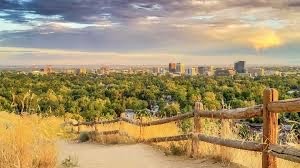
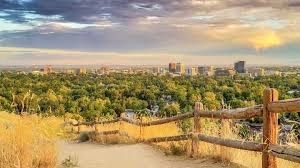
The Boise Foothills, located directly to the northeast of downtown Boise, is a defining geographical feature of the city, presenting breathtaking views and a serene environment. This residential area is characterized by its rugged terrain, rich biodiversity, and abundant outdoor recreational opportunities, which attract both residents and visitors alike. The region is known for its scenic trails, mountain biking routes, and hiking paths, making it a prime location for individuals who embrace an active lifestyle.
Demographically, the Boise Foothills is home to diverse groups, including families, retirees, and young professionals, contributing to a vibrant community setting. The population here tends to be slightly more affluent than other Boise areas, as many property owners seek the tranquility and beauty offered by the foothills. This unique demographic mix has fostered a reputable social fabric, often attracting individuals who prioritize quality of life in their residential decisions.
Lifestyle in the Boise Foothills is marked by a strong sense of community, a commitment to outdoor activities, and a passion for environmental stewardship. Local events often celebrate the natural surroundings, thereby encouraging residents to engage with their environment and participate in preserving its integrity. Moreover, this area offers convenient access to downtown Boise, allowing residents to enjoy the best of both worlds: the peacefulness of nature alongside the vibrancy of urban culture.
Access to nature significantly enhances the desirability of the Boise Foothills, contributing to higher living costs compared to other areas in Boise. With proximity to outdoor amenities, homeowners are often willing to invest more for the lifestyle afforded by this picturesque region. Consequently, understanding the Boise Foothills involves recognizing how its unique features—notably access to recreational activities and its close-knit community—impact not only the character of the neighborhood but also the costs associated with living here.
Cost of Living Breakdown in the Boise Foothills
The Boise Foothills, known for their stunning landscapes and outdoor activities, also present unique factors influencing the overall cost of living. Housing remains the most significant expenditure for residents in this region. The median home price in the Boise Foothills has seen a steady increase, now sitting around $600,000, reflecting its desirability and proximity to nature. This is considerably higher compared to the average cost of housing in the broader Boise area, which stands at approximately $450,000.
Renting in the Foothills comes with its own financial implications. The average rent for a two-bedroom apartment in this neighborhood is about $1,800 per month, contrasting with the overall Boise average of $1,500. This price difference is attributed to the scenic views, access to hiking trails, and the overall ambiance of the Foothills area.
Utilities in the Boise Foothills are also a factor to consider. Monthly utility bills, which typically include electricity, heating, cooling, water, and garbage, average around $200, slightly higher than the Boise average of $180. This may be due to the larger homes and the needs associated with living in a more mountainous environment. Transportation costs tend to remain consistent across the city, with an average gas price of $3.60 per gallon.
Other living expenses such as groceries in the Foothills align closely with the Boise area averages. Families can expect to spend around $400 a month on groceries. Clothing and entertainment alternatives are similarly priced as they are influenced by the wider Boise market.
In summary, while the breathtaking scenery and lifestyle in the Boise Foothills come at a premium, understanding the detailed cost breakdown is essential for potential residents considering making the Foothills their home.
Comparison with Other Boise Areas
The cost of living in the Boise Foothills presents a unique perspective when compared to other neighborhoods within Boise, such as the North End, South Boise, and downtown Boise. Each of these areas exhibits distinct characteristics that can influence housing costs, everyday expenses, and overall lifestyle preferences.
In the North End, for instance, housing prices tend to be higher than in the Foothills. This area is known for its historic charm, proximity to parks, and vibrant community, which collectively contribute to its desirability. Although the average price of homes in the North End can be steep, residents often value the lifestyle benefits such as access to local amenities, trends in the housing market, and neighborhood culture.
Conversely, South Boise typically offers lower housing prices in comparison to both the Boise Foothills and the North End. This area features more affordable homes and apartments, making it a feasible option for families and professionals looking to find budget-friendly living conditions. However, residents may face longer commute times to the city center and potentially limited access to some social and recreational facilities compared to the North End and Foothills.
Downtown Boise, on the other hand, boasts a vibrant urban atmosphere with various entertainment, dining, and cultural options. Living in downtown Boise can present trade-offs; housing may be pricier, but residents enjoy the convenience of urban living, while still being a short drive from the scenic Foothills. Additionally, with a range of everyday costs influenced by the proximity to conveniences, costs can fluctuate widely.
When considering lifestyle advantages or disadvantages based on cost, it becomes evident that while the Boise Foothills may command higher housing costs, they also provide an unparalleled living experience for those valuing outdoor activities and nature close at hand. Understanding these dynamics allows potential residents to make informed decisions regarding which area best meets their lifestyle and budget needs.
Future Trends in Boise's Cost of Living
As we look towards 2026, the cost of living in Boise, particularly in the Boise Foothills, is expected to experience notable changes driven by a variety of economic and demographic factors. A significant factor influencing the future cost of living is the anticipated population growth in Boise. The city has been a focal point for individuals and families seeking a balance of urban amenities and natural beauty, leading to increased demand for housing and services.
In response to growing demand, the housing market in Boise, especially in the foothill regions, is projected to continue on an upward trajectory. Housing prices are likely to rise as more people look to settle in these desirable areas, which may contribute to higher overall living costs. New residential developments could offer some relief to housing shortages, but the challenge remains in meeting the demands of a diverse population looking for affordable options.
Moreover, economic developments, including job creation and higher wages in emerging industries, are expected to positively influence the overall standard of living in Boise. Areas that support technological and green industries may see increased investments and high-skill job opportunities, contributing to a ripple effect in local economies, which can lead to further increases in living costs. Additionally, state or local policies, including tax incentives or changes in zoning laws, will play critical roles. Such adjustments could facilitate or hinder residential development and infrastructure growth, impacting the cost of living.
In conclusion, the cost of living in the Boise Foothills and broader Boise area in 2026 will likely be shaped by a confluence of population growth, housing market trends, economic developments, and legislative changes. Stakeholders, including residents and potential movers, should monitor these factors closely as they prepare for the future landscape of living costs in the region.
Resident Testimonials and Experiences
The experiences of current residents in the Boise Foothills and other areas of Boise provide insightful perspectives regarding the cost of living and lifestyle. As Emily, a 10-year resident of the Boise Foothills, shares, "Living in the foothills has an unmatched charm. The cost of housing is higher than in downtown Boise, but the lush scenery and tranquility make it worthwhile. I often go hiking right from my front door, which enhances my overall satisfaction with the lifestyle here." Emily’s account emphasizes how the value of living in a desirable location can be more than just financial.
On the contrary, Mike, who resides in a suburban area of Boise, reflects on his budget choices with a different lens. "In the suburbs, I find that my expenses are significantly lower. My family enjoys a spacious yard without the financial strain often found in the foothills. The trade-off is more limited access to the mountains, but we appreciate the community and schools here." His perspective highlights the balance many seek between affordability and lifestyle choices.
Furthermore, Jenna, who has recently moved from downtown Boise to the Foothills, shares an interesting experience: "Initially, I was hesitant about moving due to the higher cost of living in the foothills. However, once I settled in, the community atmosphere and the abundance of recreational activities helped me realize that the benefits outweighed the financial implications. The peace and connection with nature considerably enhanced my quality of life." This reinforces the idea that lifestyle satisfaction often transcends mere cost considerations.
These varied testimonials illustrate that the decision to move within Boise, to the Foothills or other areas, is deeply personal and informed by individual priorities regarding cost and lifestyle. By listening to resident accounts, prospective movers can gather valuable insights to guide their decisions.
Conclusion and Moving Considerations
In examining the cost of living in the Boise Foothills compared to other areas of Boise, several key insights emerge. The Boise Foothills, known for their picturesque views and outdoor recreational opportunities, generally commands a higher cost of living. This elevation in price often reflects not just housing costs, but also the premium on lifestyle amenities and community environment. On the other hand, various neighborhoods in Boise offer more affordable living options that cater to diverse budgets, making the city an attractive option for a wide range of potential residents.
When considering a move to Boise, potential buyers or renters should assess their priorities pragmatically. Factors such as proximity to work, access to quality schools, and overall lifestyle preferences should guide this decision. Individuals seeking a vibrant urban setting may find the downtown area suitable, whereas those desiring tranquility and outdoor access may gravitate towards the Foothills. The cost of living in each of these areas can significantly affect monthly expenditures, so a thorough investigation into housing options and overall expenses is indispensable.
For those contemplating a relocation, it is essential to align your personal financial situation with your chosen neighborhood's market. Utilize resources such as local real estate listings, community forums, and budget calculators, which can provide deeper insights into what each area has to offer. For further assistance, individuals can reach out to local realtors or community organizations that specialize in helping new residents acclimate to Boise. Preparing for a move involves careful planning and knowledge, ensuring that your chosen neighborhood complements your lifestyle and fiscal needs.
Contact
Reach out for personalized real estate guidance.
© 2026. All rights reserved.