Exploring the Treasure Valley: A Geographical Overview
Klark Kent Sparks
5/12/20267 min read
Introduction to the Treasure Valley
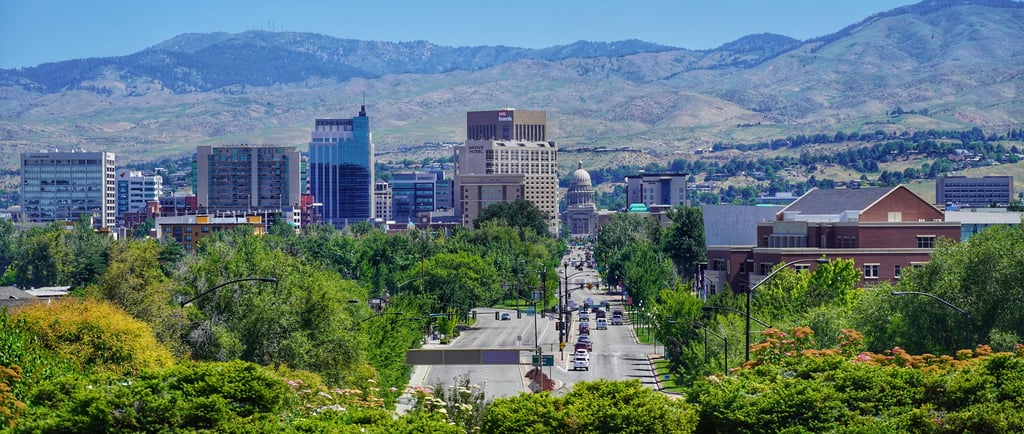
The Treasure Valley, located in southwestern Idaho, serves as a significant geographical landmark that encompasses a variety of communities and landscapes. This region, primarily situated along the banks of the Boise River, includes key cities such as Boise, Meridian, Nampa, and Caldwell. Spanning an area of approximately 1,500 square miles, the valley is characterized by its rich agricultural land, scenic river corridors, and surrounding foothills, establishing it as a crucial area for both economic development and recreational activities.
Emotionally referred to as "treasure" due to its abundant natural beauty and resources, the valley plays a vital role in Idaho's agricultural production. The region's fertile soil and favorable climate contribute to its reputation as a breadbasket, supporting a diverse range of crops, including potatoes, wheat, and hops. The agricultural heritage of the Treasure Valley not only underpins its economy but also shapes the cultural identity of the local communities.
From a geographical perspective, the Treasure Valley is situated near the foothills of the Rocky Mountains, which influence its climate and ecology. The area benefits from a high desert climate, marked by warm summers and cold winters, with an average annual precipitation of about 12 inches. Such climatic conditions foster unique ecosystems and outdoor recreational opportunities, making it a favorable destination for activities like hiking, fishing, and skiing.
This geographical overview of the Treasure Valley sets the stage for a deeper exploration of its distinct features, including natural wonders, historical contexts, and the socio-economic dynamics that shape this enchanting region of Idaho and its neighboring states.
Geographical Boundaries of the Treasure Valley
The Treasure Valley is a prominent geographical area situated in southwestern Idaho and extends into eastern Oregon. Covering a vast expanse, it is defined by its encompassing mountains, rivers, and urban centers. The valley itself is bordered by the majestic Rocky Mountains to the north and the rolling hills that descend into the valley from the south. Its geographical layout contributes significantly to both the natural beauty and economic development of the area.
At the heart of the Treasure Valley lies Boise, the largest city and the state capital of Idaho. Other major cities within this valley include Meridian, Nampa, Caldwell, and Eagle. These urban centers play a critical role in the region's demographic and economic landscape, collectively forming a vibrant community. This cluster of cities is situated primarily along the banks of the Boise River, which flows seamlessly through the valley, providing not only a vital water source but also recreation and aesthetic appeal for residents and visitors alike.
In addition to its cities, the Treasure Valley is framed by significant geographical features that influence its climate and ecology. The Snake River borders the valley to the southwest, creating a natural boundary with Oregon. This river is one of the largest tributaries of the Columbia River and is crucial for irrigation and agriculture within the valley. The rich soils in the surrounding areas are suitable for farming, contributing to the valley's reputation as an agricultural hub.
Overall, the physical extent of the Treasure Valley is marked by its picturesque landscapes, diverse urban locales, and vital waterways. These geographical boundaries not only define the valley but also shape the lifestyle and economy of its inhabitants, making it a unique and essential part of the northwest region of the United States.
Topography and Natural Features
The Treasure Valley, an enchanting region located in southwestern Idaho, boasts a diverse and dynamic topography that shapes its natural features. Surrounded by the picturesque Boise Mountains to the northeast and the Owyhee Mountains to the southwest, the valley exhibits a distinct contrast between rugged elevations and gentle plains. The geography of this area is characterized by rolling hills, fertile farmland, and open grasslands that create a mosaic of landscapes.
The valley's elevation plays a significant role in its climate, with varying altitudinal changes influencing temperature and precipitation levels throughout the region. As one transitions from the lower elevations in the Boise foothills to the mountain ranges, the ecosystem changes from arid desert sagebrush to lush pine forests. This variation contributes to a rich biodiversity that defines the area's natural identity.
Key bodies of water, such as the Boise River, wind their way through the landscape, providing not only vital irrigation for agricultural activities but also recreational opportunities for residents and visitors alike. The river, renowned for its scenic beauty and outdoor activities, reflects the interconnectedness of natural features within the valley.
Among the notable landmarks in the Treasure Valley is the stunning Table Rock, a prominent geological formation that offers panoramic views of the surrounding region. This iconic rock formation is a cherished site for hikers and nature enthusiasts, drawing individuals eager to explore its scenic vistas. The juxtaposition of mountains, plains, and rivers makes the Treasure Valley a unique geographical treasure, with its topography playing a crucial role in defining its natural environment.
Climate and Weather Patterns
The Treasure Valley, characterized by its diverse geography, hosts a unique climate that significantly influences the region's agriculture and lifestyle. This area is primarily defined by its semi-arid climate, which can be described as having hot summers and cold winters. Temperature ranges in the Treasure Valley vary considerably over the year. During the summer months, daily high temperatures can exceed 90°F (32°C), while in winter, nighttime temperatures can drop below freezing, creating a stark contrast that marks the changing seasons.
Precipitation in the Treasure Valley is relatively low, averaging around 10 to 15 inches annually. Most of this precipitation occurs in the form of rain during the spring and fall, while the summer months tend to remain dry, contributing to the valley's semi-arid conditions. Snowfall does occur during the winter months, but it is less significant compared to higher elevations in the nearby mountains. The lack of consistent rainfall during the growing season necessitates the use of irrigation for agriculture, a key economic driver in the region.
Seasonal variations in climate further influence agricultural practices within the valley. The warm growing season allows for diverse crops, including potatoes, onions, and various fruit trees. Additionally, residents adapt their lifestyles to these climatic conditions, engaging in outdoor activities during the warm months while preparing for colder months with appropriate housing and clothing. The interplay between climate and lifestyle in the Treasure Valley showcases how the natural environment deeply affects both agricultural productivity and daily living patterns in this vibrant region.
Flora and Fauna of the Treasure Valley
The Treasure Valley, located in the southwestern region of Idaho, is renowned for its diverse flora and fauna, which play an integral role in the ecological health of the area. This valley's unique geographical features, including its fertile soil and varying elevations, contribute to a rich tapestry of plant and wildlife species. The diverse climate also aids in fostering a wide range of habitats, from riparian zones along the rivers to sagebrush steppe and forests in the foothills.
In terms of plant species, the Treasure Valley is home to a variety of native flora, such as cottonwoods, willows, and various grasses that thrive in the valley's wetland areas. The surrounding hills are adorned with sagebrush and a plethora of wildflowers, many of which attract a wide range of pollinators, including bees and butterflies. This biodiversity not only enhances the natural beauty of the region, but it also contributes to the stability of the local ecosystem by providing food and shelter for various wildlife species.
The fauna of the Treasure Valley includes an impressive array of animals, ranging from mammals like deer and coyotes to birds such as hawks, eagles, and songbirds. Reptiles and amphibians also find their home in the diverse habitats scattered throughout the region. This biodiversity is particularly significant, as it provides essential ecosystem services such as pest control, pollination, and nutrient cycling. Conservation efforts aim to preserve these vital habitats, ensuring that both flora and fauna can thrive amidst the challenges posed by urban development and agricultural expansion.
Overall, the ecological significance of the Treasure Valley cannot be overstated. The interdependence of its plant and animal species highlights the importance of maintaining biodiversity, not only for the benefit of the local ecosystem but also for future generations to enjoy the unique natural heritage of this remarkable region.
Cultural and Historical Significance of Geography
The Treasure Valley, with its unique geographical features, has profoundly shaped its cultural and historical development. This region, characterized by its fertile plains and abundant water resources, has been a focal point for settlement and agricultural practices since ancient times. Historically, the Native American tribes, particularly the Shoshone and Bannock peoples, utilized the valley's resources for sustenance and trade, establishing a cultural connection to the land that has persisted through time.
As European settlers arrived in the 19th century, the geography of the Treasure Valley continued to play a pivotal role in shaping its development. The proximity to rivers, especially the Boise River, not only provided necessary irrigation for farming but also facilitated transportation and commerce. Settlers recognized the agricultural potential of the valley and established numerous farms, leading to the growth of communities centered around agricultural production. This pattern of settlement, driven by the area's favorable geography, laid the groundwork for the region's economic foundation.
The fertile soil and mild climate of the Treasure Valley have supported a diverse agricultural landscape, contributing significantly to the local economy. Crop cultivation, particularly of fruits, vegetables, and grains, has become a defining characteristic of the valley. This agricultural prosperity has fostered a strong sense of community and identity among the residents, as farming remains integral to their way of life.
Furthermore, as the valley developed, the intersection of its geographical features and cultural activities led to a rich tapestry of events and festivals that honor both its agricultural heritage and natural resources. The ongoing relationship between the geography of the Treasure Valley and its inhabitants continues to influence contemporary culture, reflecting a deep appreciation for the land that has sustained generations.
Conclusion: The Treasure Valley's Unique Geographical Identity
In conclusion, the Treasure Valley stands as a remarkable representation of Idaho's diverse geography, showcasing a blend of arid landscapes, fertile agricultural land, and stunning river systems. This region is not only vital to the state’s economy through its agricultural output and water resources but also plays a crucial role in supporting various ecosystems. The interplay of geography, climate, and human activity has forged a unique identity for the Treasure Valley, making it an essential area for both residents and visitors alike.
The valley’s unique geographical features, including its vast plains and surrounding foothills, contribute to a rich array of plant and animal life, which can be explored through recreational activities such as hiking, biking, and fishing. Visitors are drawn by the natural beauty and the recreational opportunities available, which enhance local community ties and promote tourism. Furthermore, the geographical identity of the Treasure Valley is vital to Idaho's cultural narrative, as it reflects the harmony between nature and the agricultural practices that have sustained its population for generations.
As we delve deeper into understanding the Treasure Valley, it becomes evident that its geographical identity is not merely a backdrop but a vibrant character that shapes the lifestyle and culture of its inhabitants. The unique climate, rich soil, and water resources allow for a flourishing agricultural sector, contributing significantly to local and regional food systems. Appreciating the valley's geographical qualities fosters a connection to the land that is pivotal for its preservation and sustainable development in the years to come.
Contact
Reach out for personalized real estate guidance.
© 2026. All rights reserved.