
First-Time Homebuyers: Steps to Buying in Boise After Relocating
BOISE
Klark Kent Sparks
1/8/20267 min read
Introduction to Homebuying in Boise
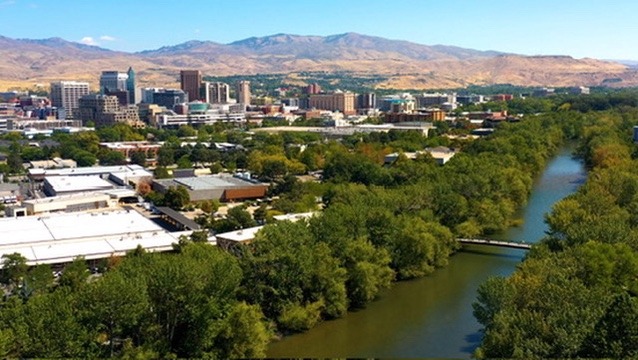
Boise, Idaho has caught the attention of many first-time homebuyers, particularly those relocating from various parts of the United States. This vibrant city combines the charm of a close-knit community with the amenities usually found in larger urban areas, making it increasingly popular among new residents. Over the past several years, Boise has experienced significant growth, enhancing its appeal as a destination for individuals and families looking to plant roots.
The unique blend of outdoor recreation, cultural experiences, and a bustling economy contributes to the distinct lifestyle Boise offers. With stunning views of the nearby foothills and opportunities for outdoor activities such as hiking and biking, residents find themselves immersed in nature while still having access to urban conveniences. Additionally, Boise is home to a diverse range of cultural activities, including art galleries, music festivals, and local markets, showcasing the city’s vibrant community spirit.
Moreover, the local economy has been resilient, with a variety of job opportunities emerging across numerous industries, further driving the demand for housing. The real estate market in Boise presents a range of options, from contemporary homes in new developments to charming residences in historic neighborhoods. This variety ensures that first-time homebuyers can find properties that align with their budget and preferences.
For those considering the prospect of buying a home in this lovely city, the supportive community and favorable market conditions make it a promising endeavor. As we explore the steps to buying a home in Boise, it becomes clear that understanding the local context is essential for navigating the homebuying process successfully.
Understanding the Boise Real Estate Market
The Boise real estate market presents unique opportunities for first-time homebuyers, especially those who are relocating to this vibrant city. As of 2023, the average home prices in Boise have shown a fluctuating trend, with prices experiencing both increases and slight corrections throughout the year. Current statistics indicate that the average home price hovers around $420,000, which is reflective of an increase from previous years but remains competitive compared to national averages.
Inventory levels in Boise have been a critical factor in shaping the competitive landscape of the market. Generally, there is a lower inventory of homes available compared to the demand, which has led to a strong seller's market. This means that prospective buyers may face challenges such as bidding wars and the necessity for fast decision-making. However, recent trends also show a gradual increase in new listings, signaling a potential shift towards a more balanced market.
When considering neighborhoods, certain areas in Boise shine as desirable locations due to their amenities, schools, and community vibes. Notable neighborhoods like North End, Boise’s downtown corridor, and Southeast Boise are highly sought after for their mix of urban convenience and suburban charm. These areas not only offer diverse housing options but also access to parks, restaurants, and cultural attractions.
Additionally, seasonal fluctuations can notably impact buying decisions. The real estate market tends to peak during spring and early summer months, and potential buyers may experience heightened competition during this period. Conversely, late fall and winter may present opportunities for more favorable negotiations, as inventory may increase with less competition. Understanding these market dynamics is essential for first-time homebuyers to make informed decisions in their home search.
Preparing Your Finances and Budgeting
Before embarking on the homebuying journey in Boise, taking the time to prepare your finances is crucial. The first step involves assessing your credit score, which plays a significant role in the mortgage process. A higher credit score often translates to better interest rates, which can result in substantial savings over the life of your loan. Therefore, reviewing your credit report for errors and addressing any discrepancies should be one of your initial actions.
Next, budgeting for a down payment is essential. Typically, down payments range between 3% to 20% of the home's purchase price. Prior to making an offer on a property, ascertain how much you can realistically afford to put down. Saving up for this upfront cost generally requires careful planning and consistent contributions to a dedicated savings account.
Understanding mortgage pre-approval is another vital component of financial preparation. This process not only evaluates your credit and income but also provides you with a better idea of how much you can borrow. It sets the framework within which you should operate when searching for a home in Boise. When you’re pre-approved, sellers are more likely to take your offer seriously, as it indicates that you have the financial backing to proceed with the purchase.
Additionally, it’s important to factor in other costs related to homeownership, such as closing costs, property taxes, and maintenance expenses. Closing costs usually amount to 2% to 5% of the home's price, and understanding this financial obligation will help you avoid any unexpected surprises. Property taxes and maintenance should also be considered, as they can add to the overall expense of owning a home. Once you have a comprehensive budget in place that includes these elements, you will be well-equipped to make informed decisions throughout the homebuying process in Boise.
Finding the Right Real Estate Agent in Boise
When embarking on the journey of home buying in Boise, it is paramount to have a skilled real estate agent by your side. A local expert can navigate the intricacies of the Boise real estate market, providing invaluable insights that assist in making informed decisions. To find the right agent, start by seeking recommendations from recent homebuyers, friends, or colleagues who have experience in the area. Online reviews and real estate websites can also provide a wealth of information about agents’ reputations.
Once you have compiled a list of potential candidates, it is essential to assess their experience. A seasoned real estate agent in Boise will possess a deep understanding of current market trends, pricing strategies, and neighborhood characteristics. This knowledge can be particularly advantageous for first-time homebuyers unfamiliar with the region. During interviews, inquire about their experience with clients in similar situations and ask for examples of successful transactions to gauge their proficiency.
Local market knowledge is another critical factor in selecting a real estate agent. A qualified agent should be well-versed in various neighborhoods, including safety, amenities, schools, and potential for future development. This expertise will equip you with the information needed to choose the right location that aligns with your lifestyle and budget.
Lastly, consider the communication style of the agent. Effective communication is integral to building trust and ensuring that your preferences and concerns are heard. During initial meetings, pay attention to how well the agent listens, answers your questions, and explains the buying process. A good agent will not only keep you informed but also simplify the complex aspects of purchasing a home.
Touring Homes and Open Houses
When searching for your ideal home in Boise, participating in tours and open houses is an essential step for first-time homebuyers. Visiting properties provides a unique opportunity to assess homes in person, allowing you to develop a tangible sense of their layout, condition, and overall appeal that can be difficult to ascertain through online listings alone. Beyond merely showcasing properties, open houses serve as valuable events to engage with real estate agents and gather additional insight.
To make the most of your home tours, consider creating a checklist of important features and questions to help guide your evaluation process. Key aspects to inspect include the layout, size, and flow of the home, as well as the condition of major systems such as plumbing, electrical work, and the roof. Observing these factors can help you identify potential red flags or affirm that the place aligns with your needs.
It is also advisable to take detailed notes during each visit. Jot down your impressions, highlight notable features, and note what you liked or disliked about each property. This will assist you in making comparisons once you have seen multiple homes. Moreover, photos can supplement your notes, enabling you to maintain an accurate record of different properties over time.
Additionally, don’t hesitate to ask questions while touring the homes. Inquire about the age of the roof, the history of any renovations, or neighborhood amenities. Engaging with the real estate agent can provide insights not available through online research. Ultimately, physically touring homes and open houses enhances your understanding of the Boise real estate market and helps you make informed decisions for a successful home buy.
Making an Offer and Negotiating
Once you have found a suitable property in Boise, the next critical step is to make an offer. Determining a fair offer price requires a thorough understanding of the local real estate market, recent sales in the neighborhood, and the specific condition of the property. Start by consulting your real estate agent, who can provide insights on comparable properties, known as "comps," that have sold recently. This market analysis will help you gauge an appropriate offer that reflects both the property's value and current market conditions.
When formulating your offer, consider the seller’s position. If the home has been on the market for a long duration or if there are multiple interested buyers, your strategy may vary. Being well-informed about the seller's motives can give you an advantage in negotiations. Depending on your budget and the property's condition, presenting a competitive but reasonable offer can set a positive tone for negotiations.
Negotiation is often a back-and-forth process. Once your offer is submitted, be prepared for a counteroffer from the seller. It is essential to remain flexible and open to discussions. Your real estate agent can be instrumental in this stage, providing advice on when to negotiate terms or increase your offer. Always ensure that you are comfortable with the price you settle on, as it's crucial for your financial well-being.
Additionally, including contingencies in your offer can protect you as a buyer. Typical contingencies include financing, home inspections, and appraisal conditions, which allow you to back out of the purchase or renegotiate should any issues arise. These provisions will not only safeguard your investment but also demonstrate to the seller your seriousness in investing in their property.
Closing the Deal and Moving In
Closing day is a crucial milestone in the home buying process for first-time homebuyers in Boise. This day marks the completion of all negotiations and arrangements, culminating in the transfer of property ownership. On closing day, buyers should arrive prepared with necessary documentation, including identification, proof of home insurance, and the closing disclosure. It is essential to review the closing disclosure closely, ensuring the terms and figures accurately reflect the agreement made with the seller. Misunderstandings at this stage can lead to delays, making it vital for buyers to feel confident about the financial commitments they are undertaking.
Before closing, prospective homeowners should conduct a final walk-through of the property. This allows buyers to verify that any agreed-upon repairs have been completed and ensures that the home is in the expected condition. It is also an opportunity to confirm that all items included in the sale are present and that no new issues have arisen since the last viewing. A thorough examination during the final walk-through is vital for averting any unpleasant surprises on moving day.
Once the closing process is finalized, the new homeowners can transition smoothly into their Boise residence. It is advisable to create a moving checklist and timeline, which aids in organizing the physical move. Preparing an essentials box with immediate necessities, such as toiletries and basic kitchenware, will ease the adjustment period. After settling in, engaging with the local community is beneficial; attending neighborhood events, exploring local businesses, and joining community groups can facilitate a sense of belonging. Such steps assist new residents in integrating into Boise’s vibrant culture and making the most of their new home.
Contact
Reach out for personalized real estate guidance.
© 2026. All rights reserved.