
Is the Boise Foothills a Good Place to Buy a Home in 2026?
BOISE FOOTHILLS
Klark Kent Sparks
2/2/20267 min read
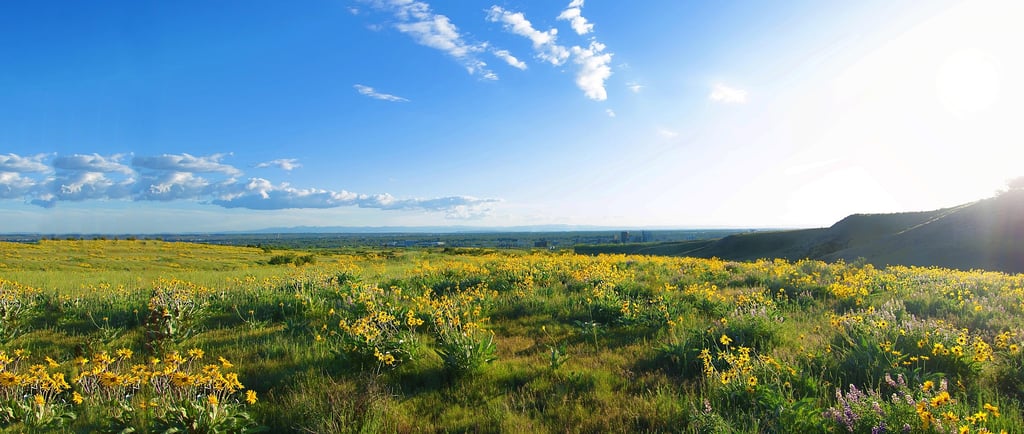
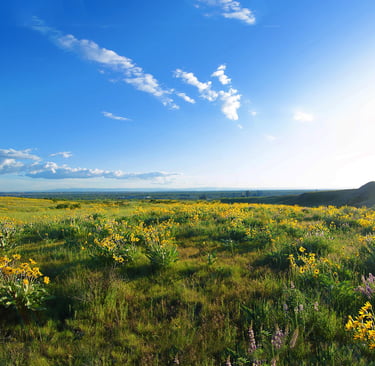
The Boise Foothills, located just north of Boise, Idaho, serve as a striking natural boundary that enhances the beauty of the city. This picturesque region offers residents stunning views of both the foothills and the expansive Boise Valley. Renowned for its diverse landscapes, ranging from rolling hills to rugged mountain terrain, the Boise Foothills combines the allure of nature with access to modern amenities. The proximity to downtown Boise allows for a seamless integration of urban living and outdoor recreation, making it an attractive destination for homebuyers.
As potential homeowners set their sights on 2026, the Boise Foothills represent a unique opportunity. The area is characterized by its pristine environment, abundant hiking and biking trails, and a variety of outdoor activities. Residents can enjoy a range of recreational options, from serene parks to more adventurous pursuits, all within close reach of their homes. This accessibility to nature contributes significantly to the overall lifestyle in the Boise Foothills, creating a community that values outdoor engagement.
Furthermore, the appeal of the Boise Foothills is not solely limited to its natural beauty. The region is experiencing growth in housing developments, catering to a mix of budgets and preferences, thereby broadening opportunities for prospective buyers. The balance of safe neighborhoods combined with the proximity to the vibrant cultural and social scene of Boise makes this area a suitable choice for families, professionals, and retirees alike. The potential for investment in real estate within the Boise Foothills is promising, especially as more individuals recognize the benefits of residing near such a scenic and active community in the upcoming years.
Trends in the Boise Real Estate Market
The Boise real estate market has been experiencing notable shifts, which are essential for potential buyers to consider when evaluating the region for home purchases in 2026. Over the past few years, Boise has gained national recognition as a desirable location, resulting in increasing home prices. In recent reports, the median home price in Boise surged to approximately $505,000, reflecting a significant increase compared to previous years. This upward trend in home prices can be attributed to various factors such as low mortgage interest rates and a surge in remote work, which has encouraged buyers from other states to consider relocation.
Besides rising prices, inventory levels in the Boise housing market have equally posed challenges for prospective buyers. The inventory shortage, which reached a historic low at the beginning of 2023, has contributed to heightened competition among buyers. Many homes see multiple offers and bidding wars, further driving up prices. Current reports indicate that available inventory remains below a balanced market threshold, with approximately two months' supply of homes available, compared to the six months typically associated with more stable conditions.
Moreover, buyer demand continues to show resilience despite fluctuating economic indicators. According to recent statistics, the number of pending home sales in Boise remains robust, and the absorption rate for homes indicates a strong sales pace. As we look towards 2026, forecasts suggest that demand may stabilize as potential interest rate hikes could temper buyer enthusiasm. However, continued urban development and the region's growing amenities are likely to sustain interest in the area for years to come.
Pros of Living in the Boise Foothills
The Boise Foothills offer a unique blend of natural beauty and community amenities that make it an attractive place to live. Residents enjoy a wealth of outdoor activities, from hiking and mountain biking on the scenic trails to skiing and snowboarding at nearby resorts in the winter. This proximity to nature not only promotes an active lifestyle but also provides stunning vistas that can be appreciated throughout the year.
In addition to outdoor pursuits, the Boise Foothills community is known for its family-friendly atmosphere and excellent educational opportunities. Families can take advantage of high-quality schools, both public and private, which are situated within a short distance from residential neighborhoods. This accessibility to education enhances the appeal of the area for parents looking to establish roots in a nurturing environment.
The Boise Foothills also cater to young professionals and retirees alike, with a variety of amenities to suit diverse lifestyles. Local parks, community centers, and recreational facilities create a welcoming atmosphere for social gatherings and events. Moreover, vibrant neighborhoods often feature charming cafes, shops, and restaurants, fostering a sense of community and connection among residents.
For retirees seeking tranquility, the Boise Foothills provide a peaceful retreat while still maintaining proximity to the city's cultural events and entertainment options. Thus, the area strikes a perfect balance between nature and urban living, allowing residents of all ages to enjoy both serenity and social engagement.
Collectively, these factors contribute significantly to the overall appeal of buying a home in the Boise Foothills, making it an excellent choice for various demographics. The combination of outdoor activities, strong educational institutions, and community amenities positions this region as a desirable residence for families, retirees, and young professionals.
Cons of Living in the Boise Foothills
While the Boise Foothills offer breathtaking views and a unique lifestyle, there are several drawbacks to consider when evaluating the area as a potential home-buying destination in 2026. One of the primary concerns for prospective homeowners is accessibility. The winding roads and steep terrain can complicate commutes, particularly during winter months when snow and ice can pose significant challenges. This may deter those looking for quick and easy access to the metropolitan amenities of Boise.
Additionally, housing costs in the Boise Foothills tend to be higher compared to other residential areas in Boise. The allure of desirable landscapes and natural surroundings often translates to premium pricing, which may stretch the budgets of many homebuyers. With the consistent influx of people moving to Boise, the demand for housing in the Foothills is steadily increasing, further driving up prices. Consequently, this may limit options for first-time buyers or those seeking more affordable housing alternatives.
Seasonal weather also presents a conundrum for residents. The Boise Foothills experience temperature fluctuations that can impact daily living. Harsh winters with significant snowfall and hot, dry summers pose challenges for outdoor activities as well as maintenance of properties. Homebuyers must be prepared to invest in winterization measures and landscaping suited for dry conditions. These weather-related factors can influence overall comfort and routine, making it an essential consideration for anyone looking to settle in the Boise Foothills.
In summary, while the Boise Foothills have many attractive features, potential drawbacks such as accessibility challenges, elevated housing costs, and significant seasonal weather impacts warrant careful consideration for those thinking about buying a home in this area in 2026.
Future Developments and Community Plans
The landscape of the Boise Foothills is set to undergo significant changes in the coming years, driven by various developments and community plans aimed at enhancing livability and property values. As a prospective buyer, understanding these developments will be crucial in making an informed decision about investing in this attractive region.
One of the primary factors contributing to the growth of the Boise Foothills is the local government's commitment to community enhancement through city incentives. These incentives are designed to encourage residential development and improve infrastructure throughout the area. A myriad of upcoming projects includes the expansion of parks, enhancement of public spaces, and improved connectivity through new roads and pathways. These initiatives will not only foster a sense of community but also contribute to elevated property values, making Boise Foothills an appealing option for potential homeowners.
Furthermore, there are several residential projects slated for development that will cater to diverse housing needs, including single-family homes and multifamily units. This variety ensures that prospective buyers can find a residence that suits their requirements, whether they seek a quiet retreat or a bustling neighborhood. The development plans also emphasize sustainable building practices, setting a precedent for eco-friendly living, which is increasingly becoming a priority for buyers in today's market.
Along with the residential and commercial developments, infrastructure improvements in transportation will play a vital role in shaping the accessibility of the Boise Foothills. As enhancements are made to public transit and road systems, commuting to and from the area will become more convenient. This aspect significantly influences property demand, making the Foothills an attractive location for homebuyers. Overall, staying abreast of these developments is essential for anyone considering purchasing a home in the Boise Foothills in 2026.
Expert Opinions: What Real Estate Agents Say
The Boise Foothills have become a prominent area of interest for homebuyers seeking residential properties characterized by access to nature, stunning landscapes, and a growing community. Real estate professionals specializing in this region provide valuable insights regarding the market's current state and future predictions.
Many agents emphasize the remarkable stability of the Boise Foothills real estate market, which has seen steady appreciation even amid national economic fluctuations. The demand for homes in this desirable area has consistently outpaced supply, leading to a competitive housing environment. Investors and potential homebuyers are encouraged by agents to consider entering the market sooner rather than later, given the anticipated continued demand, particularly among young professionals and families.
Agents predict that by 2026, the Foothills will solidify its position as a premier location within Boise, driven by factors such as infrastructural development and increased amenities. Local experts assert that this trend is largely attributed to the growing inclination towards outdoor lifestyles, with the Foothills offering proximity to recreational opportunities while maintaining access to urban conveniences. Furthermore, sustainability initiatives are expected to enhance the appeal of the area as the community places a greater emphasis on green living.
Real estate professionals often advise potential buyers to remain adaptable and well-prepared when considering a home purchase in the Boise Foothills. Understanding market conditions, setting a realistic budget, and being ready to make competitive offers can be crucial steps for buyers in this vibrant market. Additionally, engaging with a knowledgeable local agent can greatly simplify the home-buying process, ensuring confident decisions that align with individual needs.
Conclusion: Making an Informed Decision
As we reflect on the potential of the Boise Foothills as a location for home buying in 2026, several critical factors emerge. First and foremost, the natural beauty and recreational opportunities the Foothills offer can significantly enhance the quality of life for residents. With access to numerous outdoor activities, including hiking, biking, and nature trails, this area appeals to individuals and families seeking an active lifestyle.
The economic landscape also poses advantages for potential home buyers. Anticipated growth in the region, driven by expanding job markets and an influx of new residents, suggests a robust demand for housing. As such, investing in real estate in this area could be advantageous from a financial perspective, with the possibility of property value appreciation over time.
However, it is crucial to weigh these positive aspects against some challenges that may arise. With the increase in demand for homes, potential buyers might encounter rising property prices and competition. Furthermore, those considering a move to the Boise Foothills should also evaluate their personal circumstances and lifestyle preferences, including proximity to work, schools, and essential amenities. It is important to determine whether the unique offerings of this location align with one’s individual needs.
In conclusion, buying a home in the Boise Foothills in 2026 can present opportunities, but it requires careful consideration of various factors. Those interested in this area should engage in thorough research, consider their long-term goals, and seek advice from real estate professionals to ensure that they make an informed decision that suits their lifestyle and financial situation. Ultimately, the choice of whether to invest in this vibrant community will depend on individual priorities and values.
Contact
Reach out for personalized real estate guidance.
© 2026. All rights reserved.