
Navigating Boise's Traffic and Commutes for Newcomers
BOISE
Klark Kent Sparks
1/8/20267 min read
Understanding Boise’s Layout and Geography
Boise, the capital of Idaho, is situated in the southwestern part of the state, nestled against the foothills of the Rocky Mountains. The city's geographical layout is characterized by a unique blend of urban development and natural features, influencing both the traffic patterns and commuting options available to residents. One of the most notable aspects of Boise’s geography is the Boise River, which traverses the city and contributes to its scenic beauty.
Boise is divided into several distinct neighborhoods, each offering its community features and amenities. Notable areas include downtown Boise, which is the bustling hub of activity, featuring shops, restaurants, and cultural venues. The North End, known for its historic homes and tree-lined streets, provides a more residential feel. Additionally, areas like the Bench and South Boise offer a mix of suburban living and convenience, making them popular choices for families and individuals alike.
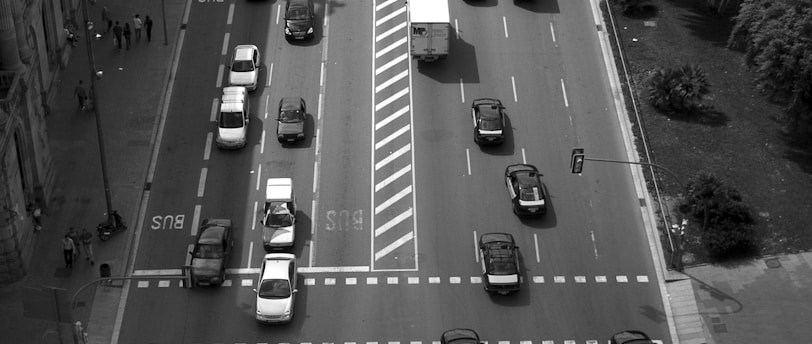
The major roads and highways that encompass Boise significantly impact traffic flow and commuting practices. Interstate 84 (I-84) runs through the city, connecting it to surrounding areas and facilitating regional travel. Local thoroughfares such as State Street, Broadway Avenue, and Federal Way are essential for navigating the city and accessing various neighborhoods. Traffic patterns can become congested during peak hours, especially in the downtown area, where many residents commute for work.
Understanding Boise's layout allows newcomers to better plan their travel routes and navigate the city more effectively. By familiarizing themselves with the neighborhoods, major roads, and geographical landmarks, they can avoid potential traffic hotspots and choose more efficient commuting options based on their specific needs. This knowledge not only enhances daily travel experiences but also promotes a deeper appreciation for Boise’s unique geography.
Common Commuting Routes in Boise
Boise, Idaho, presents a variety of commuting routes that are integral to the daily travel needs of its residents. The city's transportation framework is built around several key highways and arterial roads that facilitate movement throughout the metropolitan area. Understanding these routes, along with their typical traffic patterns, is essential for new residents aiming to navigate effectively.
One of the primary highways is Interstate 84 (I-84), which runs east-west through Boise. This major route connects the city to other regions, including the nearby cities of Nampa and Meridian. During rush hours, particularly between 7 AM to 9 AM and 4 PM to 6 PM, commuters often experience heavy traffic on I-84. It is advisable for residents to schedule their travel outside of these peak times to reduce the chances of encountering delays.
In addition to I-84, State Highway 55 (SH 55) is another significant arterial road, providing access to recreational destinations north of the city. The traffic flow on SH 55 tends to increase on weekends when many residents head to outdoor activities. Additionally, Curtis Road and Eagle Road serve as vital thoroughfares within Boise, linking residential areas to the commercial centers. Traffic conditions on these roads can also fluctuate significantly during school drop-off and pick-up times.
Moreover, new developments in Boise have led to the expansion of local roads, enhancing connectivity for residents. It is important for newcomers to familiarize themselves with alternative routes that may help bypass congestion during busy times. Utilizing navigation apps can also provide real-time traffic updates, enabling more informed decisions about commuting times and routes.
Public Transportation Options
Boise offers a variety of public transportation services aimed at facilitating daily commutes for residents and newcomers alike. The primary mode of public transport in the city is the ValleyRide bus system, which provides extensive coverage of the local area. ValleyRide buses operate on multiple routes, effectively connecting various neighborhoods with key destinations such as downtown Boise, shopping centers, and recreational areas.
The bus schedules are designed to accommodate different commuting needs, typically running from early morning until late evening. Newcomers can access detailed route maps and schedules on the ValleyRide website or through their mobile app, which is user-friendly and provides real-time tracking of buses. Fares for riding the bus are quite affordable, with options for single rides, day passes, and monthly passes available. Additionally, discounted fares are offered to seniors, students, and individuals with disabilities, making public transport an economical choice for many.
While Boise currently does not have a light rail system, there are shuttle services that complement the bus routes. These shuttles are often operated by local businesses or organizations and aim to connect residents with critical services or events. For those wishing to travel outside the city, intercity bus services provide connections to neighboring towns, allowing for broader commuting options.
In summary, public transportation in Boise presents numerous options that cater to the diverse commuting needs of its residents. The city’s commitment to enhancing public transit services is evidenced by the continuous updates to routes and schedules, making it easier for newcomers to navigate their daily commutes with ease.
Biking and Walking in Boise
Boise has emerged as a city that embraces sustainable commuting methods, particularly biking and walking. For newcomers, the city's commitment to cycling and pedestrian-friendly infrastructure is an appealing aspect of urban living. The extensive network of bike lanes and multi-use paths contributes significantly to an easily navigable environment for cyclists and pedestrians alike.
One of the standout features of Boise is its well-planned bike lane system, which extends conveniently throughout the downtown area and links various neighborhoods. This not only allows for safer travel but also encourages a healthy lifestyle and reduces reliance on motor vehicles. Many of these lanes are designated specifically for cyclists, while others are shared with pedestrians, creating an inclusive space for all. The presence of bike-friendly traffic signals and signage further enhances the safety of riders, marking Boise as an attractive option for those interested in commuting by bike.
Moreover, the city boasts a variety of hiking and biking trails that provide opportunities for recreational activity. Popular local trails, such as the Greenbelt, wind through beautiful landscapes while providing a scenic route for daily commutes. For those who prefer additional biking options, Boise offers bike-sharing programs that make it convenient for newcomers to explore the area without needing to own a bike. These programs can be particularly beneficial for individuals looking to make short trips or commute to work without the hassle of parking.
Boise is not only friendly to cyclists but also emphasizes pedestrian safety. Many neighborhoods feature wide sidewalks and crosswalks designed to accommodate pedestrians comfortably. With ample green spaces and parks, residents can enjoy walking as a viable commuting method or a leisurely activity, ultimately reducing traffic congestion and promoting a more sustainable way of life.
Peak Traffic Times and Patterns
Understanding traffic patterns in Boise is essential for newcomers looking to navigate the city efficiently. Peak traffic times can significantly impact daily commutes, making it crucial to identify when these surges occur. Typically, the heaviest traffic in Boise is observed during weekday mornings from around 7:00 AM to 9:00 AM, and then again in the evenings from approximately 4:00 PM to 6:00 PM. During these hours, major routes such as I-184 and Highway 55 can become congested as residents travel to and from work.
In terms of days of the week, Monday and Friday tend to be the busiest. On Mondays, many residents are returning to their routines after the weekend, resulting in increased morning traffic. Fridays often see a surge in traffic as commuters leave work in anticipation of the weekend, leading to notable delays during the evening rush hour. It is important to plan your travels accordingly, as adjusting your schedule to avoid these peak times can greatly enhance your commuting experience.
Interestingly, midweek days, particularly Tuesday and Wednesday, generally exhibit lighter traffic volumes. During these days, public events or holidays can also introduce variations in traffic flow. Additionally, localized traffic can be influenced by events happening at venues, schools, or businesses. Staying informed about these occurrences allows you to anticipate potential delays and choose alternative routes or travel times.
By recognizing the peak traffic patterns in Boise, newcomers can engage in strategic planning when scheduling their daily activities. Ultimately, a better understanding of these trends will lead to reduced time spent in traffic and a more enjoyable commuting experience in this vibrant city.
Navigational Apps and Tools
As a newcomer to Boise, understanding the local traffic dynamics can greatly enhance your commuting experience. Fortunately, several modern navigational apps and tools are available to assist you in navigating the city's roadways effectively. Utilizing these resources can help you stay informed about real-time traffic conditions, optimize your routes, and ultimately streamline your daily travels.
One of the most popular GPS navigation systems is Google Maps. This app not only provides turn-by-turn directions but also offers real-time traffic updates, which are crucial for avoiding congestion. Furthermore, users can view estimated travel times, making it easier to plan outings or daily commutes based on current conditions. For those who prefer alternative routes to avoid traffic snarls, Google Maps excels in presenting various options.
Another noteworthy application is Waze, which is particularly popular among local drivers. Waze harnesses the power of community input, allowing users to report accidents, road closures, and police activity in real time. This collaborative approach to navigation means that you can receive updates about incidents affecting your route almost instantaneously, ensuring that you can adjust your path for a quicker journey.
In addition to these applications, consider using tools like Apple Maps for iPhone users. While it may not have as extensive community reporting as Waze, it does offer some unique features, such as lane guidance and traffic data integration, which can be particularly helpful in unfamiliar areas. For those interested in learning more about public transport options, the Transit app provides schedules and routes for buses and nearby services, ensuring that you have comprehensive information at your fingertips.
In summary, leveraging these navigational apps and tools will not only help newcomers adjust to Boise's traffic patterns but also enhance overall commuting efficiency. By integrating these technologies into your daily travel routine, navigating Boise will become a more seamless experience.
Tips for Newcomers Adjusting to Local Traffic Culture
As newcomers navigate the streets of Boise, understanding the local traffic culture can greatly enhance their commuting experience. One of the first things to grasp is the unique approach to driving in Idaho. Drivers are generally courteous, often yielding the right of way at appropriate intersections and allowing others to merge seamlessly into traffic. Newcomers should familiarize themselves with this local etiquette, which differs from the aggressive driving styles seen in some larger metropolitan areas.
Roundabouts are a common feature in Boise’s roadways. For those unfamiliar with navigating them, it is important to remember to yield to traffic already in the circle. This can alleviate confusion and ensure smoother transitions. Moreover, always signal your intentions when exiting a roundabout, as this practice maintains clarity for other drivers.
Parking in Boise also has its own set of guidelines. Newcomers should pay attention to the various parking signs, which indicate rules and restrictions. Street parking is often available, particularly in downtown areas, but one must adhere to time limits and payment requirements to avoid citations. Parking lots attached to businesses may have specific customer requirements, such as validation, which newcomers should be aware of to ensure they do not inadvertently violate any rules.
To further ease the adjustment, utilizing local navigational tools such as GPS or traffic apps can provide real-time information about traffic conditions and potential delays. This can help newcomers plan their routes more effectively. Finally, consider adjusting driving times to avoid peak traffic hours, typically occurring during morning and evening commutes, which can contribute to a more relaxed driving experience. These strategies allow newcomers to adapt more smoothly to Boise's traffic culture, making commuting a less daunting task.
Contact
Reach out for personalized real estate guidance.
© 2026. All rights reserved.