Retiring in Boise: The Good News About Social Security Taxes
Klark Kent Sparks
4/21/20267 min read
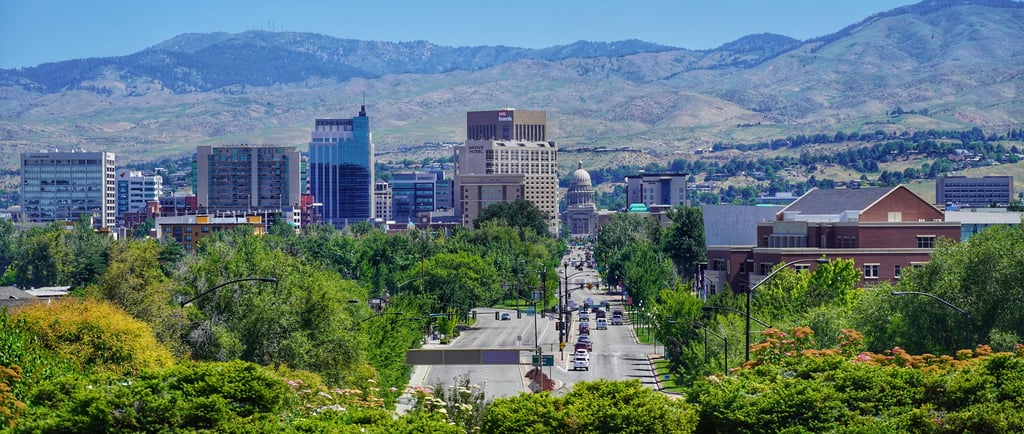

Introduction to Retirement in Boise
Boise, Idaho, presents a compelling destination for retirement, combining natural beauty with a welcoming community atmosphere. Located along the banks of the Boise River and surrounded by picturesque mountains, the city offers retirees a tranquil environment that is perfect for outdoor activities such as hiking, biking, and fishing. This access to nature contributes significantly to the overall quality of life, which is an important consideration for many looking to retire comfortably.
Retirees relocating to Boise will find a vibrant community that embraces friendly interactions and emphasizes social connectivity. This sense of community is enhanced by numerous local events, farmer's markets, and art exhibits, making it easy for newcomers to immerse themselves in the local culture. Additionally, the city's population is diverse, composed of individuals from various backgrounds, which fosters inclusivity and enriches the living experience in Boise.
Cost of living is another attractive feature for those contemplating retirement in Boise. Compared to larger metropolitan areas, Boise tends to have a lower cost of living, which enables retirees to stretch their savings further. Housing, healthcare, and essential expenses are generally more affordable, providing financial relief during retirement. Furthermore, Boise's strong economy ensures a range of services and amenities that cater to the needs of retirees.
As retirees transition to life in Boise, they will also benefit from favorable tax conditions regarding Social Security income. Understanding the tax benefits available in Idaho is an essential aspect of financial planning for retirement, and residents here enjoy the advantage of not taxing Social Security benefits. This can provide additional peace of mind as retirees navigate their new financial landscape.
Social Security benefits are a vital component of the financial health of retirees in the United States. These benefits provide a steady stream of income designed to assist individuals during their retirement years. Calculated based on a worker's earnings history, Social Security benefits are determined using a complex formula that factors in the highest-earning 35 years of a person's work life. This formula aims to ensure that workers who have contributed more to the system receive higher benefits, thereby reflecting their contributions.
The importance of understanding Social Security benefits cannot be overstated in the context of retirement planning. These benefits serve as a reliable financial foundation for millions of retirees, often covering basic living expenses. As individuals plan for retirement, it is crucial to consider how these benefits will fit into their overall financial picture, including any pensions, savings, or other forms of retirement income.
Moreover, the tax treatment of Social Security benefits plays a significant role in a retiree's financial strategy. Depending on their overall income, a portion of Social Security benefits may be subject to federal income tax. It is essential for retirees to be aware of how taxable income can influence the amount of benefits they will ultimately receive, thereby affecting their net retirement income. This knowledge not only aids in effective planning but also helps retirees maximize their financial resources.
In conclusion, understanding Social Security benefits, including how they are calculated and their importance in retirement planning, is pivotal for effective financial management. With clear insight into the benefits and their tax implications, retirees can make informed decisions that enhance their overall financial wellness.
Idaho's Tax Policies: An Overview
Idaho's tax policies are largely defined by a progressive income tax structure that consists of multiple tax brackets. This structure is designed to ensure that individuals with higher incomes contribute a greater percentage of their earnings compared to those with lower incomes. The state income tax rates in Idaho range from 1.125% to 6.925%, applied progressively across various income levels. Taxable income can include wages, salaries, business income, and dividends, among other forms of compensation.
In addition to the standard income tax, Idaho imposes additional taxes on specific sources of revenue such as capital gains, which can affect retirees moving to the state. However, the state does provide certain exemptions, particularly for retirement income, which can often be a significant source of financial security for senior residents.
Furthermore, Idaho does not impose a separate tax on Social Security benefits, a policy that benefits many retirees. This favorable treatment is significant for those considering retiring in Boise, as it alleviates some of the financial burden associated with fixed incomes. Consequently, individuals and couples that rely heavily on Social Security payments can retain more of their benefits.
This unique stance on Social Security income, paired with the state's overall lower tax burden relative to many U.S. states, makes Idaho an appealing option for retirees. It is essential to understand these tax policies in detail, as they affect how retirement funds can be utilized and managed, ultimately influencing the quality of life in retirement.
The Perk of No Social Security Tax in Idaho
One of the most significant advantages for retirees choosing to reside in Idaho is the state's policy regarding Social Security income. Unlike many other states, Idaho does not impose a state income tax on Social Security benefits. This exemption is particularly beneficial for seniors, who often rely heavily on fixed incomes during retirement. By not taxing Social Security income, Idaho allows retirees to enjoy a greater portion of their retirement savings, ultimately enhancing their financial well-being.
The implications of this tax exemption are far-reaching. For retirees, the absence of a state tax on Social Security means an increase in disposable income. This additional income can prominently influence their standard of living, allowing for more financial flexibility, whether it be for necessary expenses, leisure activities, or healthcare needs. Moreover, increased disposable income can significantly contribute to overall life satisfaction, enabling retirees to pursue hobbies, travel, or engage in community activities without the constant worry of financial strain.
Additionally, Idaho's tax policy may serve as an attractive incentive for retirees who are considering relocation. When evaluating the cost of living in various states, the lack of a Social Security tax positions Idaho as a favorable choice among many retirees. The money saved from this tax exemption can be funneled into other areas, such as home improvements or investments, ultimately reinforcing seniors' financial independence.
In summary, the unique provision exempting Social Security income from state tax in Idaho positions the state as a prosperous choice for retirees. This regulation not only increases their disposable income but also promotes a healthier, more fulfilling retirement lifestyle. As individuals plan their post-retirement life, considering Idaho's tax policies can be essential in maximizing their financial freedom.
Comparative Analysis: Idaho vs. Other States
When evaluating retirement destinations, one critical factor retirees consider is the tax treatment of Social Security benefits. In this regard, Idaho presents a notable advantage compared to many other states. Specifically, Idaho does not impose a state tax on Social Security income, which can significantly enhance the financial outlook for retirees who rely on these benefits.
According to data from the Tax Foundation, approximately 37 states do not tax Social Security benefits, while 13 states do tax them to varying degrees. For instance, states like New Jersey and Vermont apply partial taxes on Social Security income, which could reduce the disposable income of retirees. Similarly, in Massachusetts, Social Security benefits are subject to state income tax even though the tax rates can vary. This disparity creates a salient distinction for retirees considering where to settle down post-retirement.
The quantitative savings can be substantial. For example, a retiree receiving $30,000 annually from Social Security might save around $1,200 to $1,500 in state tax liabilities if they reside in Idaho instead of a state like New Jersey, where they face a tax rate of approximately 2% to 3.5% on their benefits. Beyond mere savings, this advantage can influence decisions about where to live, often positioning Idaho as a more attractive option due to the increased purchasing power of retirees.
Moreover, the overall cost of living in Idaho adds to its appeal, where residents often enjoy a quality lifestyle without the burden of high taxes on necessary retirement income. In conclusion, retiring in Idaho not only allows for the preservation of Social Security benefits from state taxes but also promises a favorable economic environment, ultimately contributing positively to retirees' financial health.
Community and Lifestyle Benefits in Boise
Boise offers a variety of lifestyle benefits suited for retirees seeking a vibrant community. One of the most notable aspects is the strong sense of community present in the city. Numerous neighborhood organizations and recreational clubs foster social connections, encouraging retirees to partake in community events, volunteer opportunities, and interest-based gatherings. This participatory atmosphere not only alleviates loneliness but also enriches retirees' lives with new friendships and social support networks.
Access to healthcare is another significant advantage of living in Boise. The city boasts several highly-rated healthcare facilities and specialists, ensuring that retirees receive quality medical care when needed. With numerous clinics, hospitals, and wellness centers in proximity, residents can enjoy peace of mind regarding their healthcare needs. Additionally, many healthcare providers offer programs specifically designed for seniors, promoting preventive care and health education.
Boise is not just about community; it is also known for its remarkable recreational opportunities. The city is enveloped by scenic natural landscapes, providing endless options for outdoor activities such as hiking, biking, and fishing. The Boise River Greenbelt, in particular, offers a picturesque path for walking or cycling while enjoying views of the riverside. Furthermore, Boise hosts a range of cultural and artistic events, including local markets, music festivals, and art exhibitions, giving retirees a chance to engage in the local arts scene.
Social engagements are abundant in Boise, with various clubs and organizations catering to different interests. Whether it’s joining a book club, participating in group exercise classes, or attending community workshops, retirees can find activities that resonate with their passions. In essence, the combination of community-driven events, accessible healthcare, and recreational activities greatly enhances the lifestyle experience for retirees in Boise, making it an ideal location for a fulfilling retirement.
Conclusion: Making the Choice to Retire in Boise
Retiring in Boise presents a compelling choice for individuals who are considering their options in the next phase of their lives. One of the most significant advantages of retiring in this Idaho city lies in the favorable treatment of Social Security benefits. Unlike many other states, Idaho does not tax Social Security income, which offers a considerable financial benefit to retirees who rely on such funds as their primary source of income. This tax exemption can enhance the purchasing power of retirees, allowing them to enjoy a comfortable lifestyle without the burden of additional tax implications.
In addition to the favorable tax landscape, Boise provides a plethora of recreational activities and services tailored specifically for a retired demographic. With its stunning natural surroundings, including nearby mountains and rivers, retirees can engage in numerous outdoor activities such as hiking, fishing, and golfing. The city also boasts a vibrant cultural scene, featuring museums, theaters, and various events that enrich the community's quality of life. This combination of tax benefits and lifestyle options makes Boise an attractive option for those looking to maximize both their financial capabilities and personal happiness during retirement.
Ultimately, making the decision to retire in Boise should involve careful consideration of both financial aspects and lifestyle preferences. As highlighted by the numerous advantages, particularly regarding Social Security taxes, prospective retirees can find themselves in a supportive environment that not only preserves their financial resources but also rewards them with an engaging and fulfilling lifestyle. With its unique blend of tax benefits and vibrant living, buyers should seriously regard Boise as a top contender for their retirement destination.
Contact
Reach out for personalized real estate guidance.
© 2026. All rights reserved.