The Competitive Landscape of the Downtown Boise Housing Market in 2026
DOWNTOWN BOISE
Klark Kent Sparks
2/11/20267 min read
Introduction to the Boise Housing Market
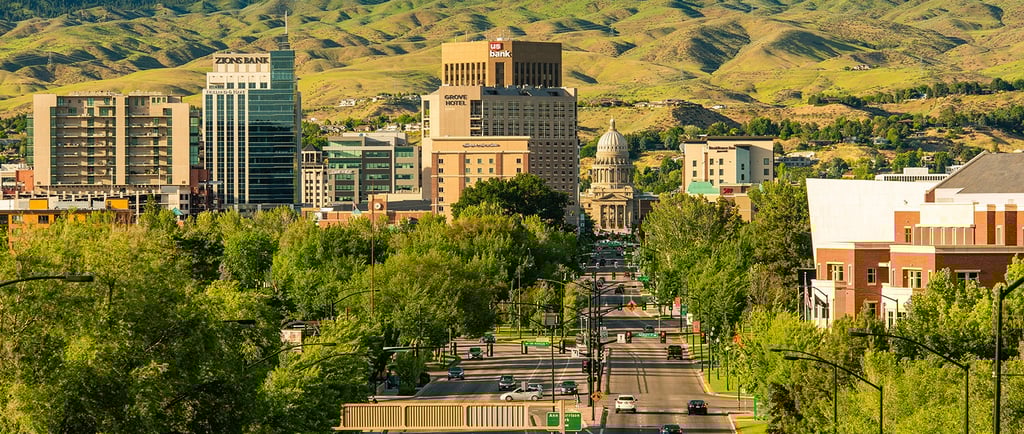
The Boise housing market has seen notable transformations over the years, particularly in the downtown area, setting the stage for an intricate competitive landscape leading into 2026. Historically, downtown Boise has attracted a diverse demographic, thanks to its vibrant culture, economic opportunities, and beautiful natural surroundings. Over the past decade, the area has experienced significant population growth, driven by various factors, including an influx of young professionals, families, and retirees seeking a high quality of life.
Several historical trends have contributed to the current standing of the Boise housing market. The revival of downtown Boise in the early 2010s sparked a renaissance that attracted commercial investment and residential developments. As urban living gains popularity, developers have noted the demand for modern amenities and convenient access to services. This period also marked the beginning of an increase in housing prices, reflecting greater buyer competition and limited inventory.
As we approach 2026, the economic landscape plays a crucial role in shaping housing demand. Boise’s economy has consistently diversified, reducing its reliance on traditional industries and embracing tech, healthcare, and entrepreneurship. This economic resilience has not only bolstered job growth but also augmented the purchasing power of potential homebuyers. Consequently, the downtown housing market is likely to become even more competitive, influenced by economic conditions and demographic changes.
Understanding the competitive nature of the downtown Boise housing market is essential for both potential buyers and investors. As demand continues to exceed supply, it becomes imperative to analyze market trends, property values, and future projections. By recognizing these dynamics, stakeholders can make informed decisions that align with their financial and lifestyle objectives.
Key Factors Influencing Competition in 2026
The housing market in downtown Boise in 2026 exhibits a complex competitive landscape shaped by several critical factors. One major aspect is the trajectory of economic growth in the region. As Boise continues to attract businesses and new residents, economic activity tends to increase, bolstering housing demand. Consequently, a thriving economy often leads to heightened competition among prospective buyers, thereby influencing property values.
Employment rates also play a pivotal role in the housing market dynamics. A surge in job opportunities naturally raises the number of individuals seeking housing, which intensifies the competition for available properties. As companies expand or establish a presence in downtown Boise, a higher influx of workers can be expected, correlating directly with increased housing demand.
Interest rates, another critical factor, significantly affect buyer financing capabilities. In 2026, fluctuations in interest rates could alter mortgage affordability, accordingly impacting buyer decisions. When interest rates rise, potential homeowners may face higher monthly payments, which might deter some from entering the market, thus shifting the competitive landscape as fewer buyers can commit to purchasing homes.
Demographic shifts cannot be overlooked either, as the changing composition of the population influences housing preferences and needs. For instance, an increase in young professionals might lead to a demand for urban living spaces that cater to active lifestyles and proximity to amenities. Furthermore, the rise of remote work, which gained traction during the pandemic, has led many buyers to reconsider their housing priorities. Instead of traditional commuting patterns, individuals are now seeking larger spaces or homes in quieter neighborhoods with room for dedicated office areas, transforming the competitive nature of downtown properties.
Current Market Trends and Statistics
As of 2026, the downtown Boise housing market is experiencing notable fluctuations, reflecting ongoing trends that have emerged over previous years. Currently, the average home price in this vibrant urban area stands at approximately $500,000, marking an increase of 8% from the previous year. This consistent rise in home prices is indicative of the growing demand for properties in Boise, which has been fueled by an influx of new residents and a robust job market.
One critical statistic to consider is the average days on the market for homes. Presently, properties in downtown Boise are being listed for an average of 35 days before securing a buyer. This timeframe remains shorter than in previous years, where homes would typically linger for about 45 days. The decrease in days on market suggests a competitive environment where buyers are motivated to act quickly, further intensifying the competition among potential homeowners.
The ratio of listed properties to pending sales also reveals significant market activity. Currently, there are approximately 120 homes listed for sale, while 90 are pending. This results in a listing-to-pending ratio of 1.33, which is relatively favorable for sellers, as it indicates ongoing demand amidst limited inventory. In comparison, last year’s ratio was 1.6, suggesting that the market dynamics have shifted towards a more balanced competition, albeit still favoring sellers.
Overall, the data demonstrates that the downtown Boise housing market remains robust in 2026. Increased average home prices, decreased days on the market, and an encouraging ratio of available homes to pending transactions all contribute to an evolving landscape that reflects heightened interest and competitive forces at play.
Buyer Behavior and Preferences
In 2026, the buyer behavior in the downtown Boise housing market has evolved significantly, shaped by a variety of factors including lifestyle changes, economic conditions, and demographic shifts. Modern buyers are increasingly prioritizing specific amenities and conveniences that align with their aspirations for a desirable living environment. Many are looking for properties that feature eco-friendly designs, smart-home technology, and health-conscious facilities such as gyms and outdoor spaces. Furthermore, there is a notable trend towards multifunctional spaces that can accommodate remote work, reflecting the ongoing adaptations from the COVID-19 pandemic.
Location preference remains a dominant factor in buyer decision-making. Individuals and families are gravitating towards neighborhoods that offer a vibrant community feel, with easy access to parks, cafes, shopping, and cultural attractions. Proximity to public transportation has also become critical, as buyers increasingly favor urban lifestyles that minimize car dependency. Downtown Boise, with its unique blend of urban amenities and outdoor access, remains particularly appealing for those seeking a balance between work and leisure.
Furthermore, budget considerations in 2026 are shaped by a competitive landscape. While some buyers seek starter homes or investment properties, others are willing to invest significantly in high-end units that boast luxury features. The ongoing influx of young professionals and retirees into the area has contributed to a diverse demographic spectrum, influencing trends in preferences. Motivations for buying in downtown Boise are varied: some are drawn by the allure of a dynamic urban core, while others are lured by potential appreciation in property values and the benefits of a growing community. Overall, understanding these evolving buyer behaviors is crucial for stakeholders in the downtown Boise housing market.
Investment Opportunities in a Competitive Market
The downtown Boise housing market in 2026 presents a landscape filled with investment opportunities for both seasoned and novice investors. While competitive conditions may appear daunting, they often create unique avenues for profit as demand for housing continues to rise. Investors looking to navigate this environment can employ several strategic approaches, including house flipping, rental investments, and long-term asset accumulation.
Flipping homes is a popular choice in vibrant markets like Boise. Identifying undervalued properties that require minor renovations can yield substantial returns. Investors should focus on properties in up-and-coming neighborhoods, ensuring that they can capitalize on appreciation as the area evolves. Additionally, keeping a close watch on market trends and buyer preferences will help in selecting properties that promise high resale value.
Rental opportunities also play a significant role in maximizing investment potential. The increasing population and job growth in downtown Boise mean that demand for rental units is on the rise. Investors can explore multi-family units or single-family homes to attract diverse demographics. Providing appealing amenities and maintaining high rental standards will enhance occupancy rates and long-term profitability. Furthermore, short-term rentals, such as those on platforms like Airbnb, provide another lucrative avenue, especially in a vibrant urban setting.
Lastly, for investors with a more proactive approach, adopting long-term investment strategies may prove beneficial. A focus on properties with solid fundamentals, such as location, condition, and projected neighborhood growth, will likely provide steady appreciation over time. With careful analysis and a well-thought-out investment plan, investors can thrive in a competitive market and build significant wealth from their real estate endeavors.
Challenges Faced in a Competitive Environment
The Downtown Boise housing market is currently characterized by its competitiveness, presenting various challenges for buyers and investors. One of the primary concerns is the prevalence of bidding wars. With multiple prospective buyers vying for the same property, it is not uncommon for offers to escalate well beyond the initial listing price. This situation can create pressure on individuals to stretch their budgets, potentially leading to financial strain and buyer's remorse.
Financing difficulties also pose a significant hurdle. As housing prices increase, securing a mortgage can become more complex. Lenders may impose stricter qualification criteria, and potential homeowners might encounter challenges in obtaining funds, especially if their credit situation is not optimal. This landscape necessitates borrowers to not only be informed about their finances but also to be pre-approved to enhance their standing in competitive bids.
The emotional toll of navigating a competitive housing market cannot be underestimated. The constant anxiety associated with bidding and the fear of losing out can lead to decision-making based on pressure rather than rational thought. Many buyers find themselves in a cycle of disappointment, only to encounter prospective homes that slip away. This experience can diminish the excitement associated with home buying and lead to burnout.
Moreover, the risk of overpaying is ever-present in such a competitive environment. Buyers may feel compelled to offer above the asking price, fearing they will lose a desirable property. This enthusiasm can inadvertently result in overvaluation, which not only impacts the individual buyer but can also skew market perceptions. To mitigate these challenges, transparency in communication and the guidance of a seasoned real estate agent are advisable strategies. Engaging in thorough market research and setting realistic expectations can empower buyers to navigate the complexities of a competitive market more effectively.
Conclusion and Market Outlook for 2027
The downtown Boise housing market has experienced significant growth and changes throughout 2026, characterized by rising home prices and increased demand from both local and out-of-state buyers. As we move into 2027, several key trends will likely continue to shape this dynamic real estate environment. Foremost, the influx of tech companies and remote workers into Boise is expected to sustain demand, further driving competition among homebuyers.
Market indicators suggest that affordability will remain a critical concern in 2027, particularly for first-time homebuyers. With interest rates remaining relatively stable, potential buyers may find opportunities to enter the market. However, they should be prepared for tight inventory levels, which have become the norm. This scenario underscores the importance of having well-defined criteria and being ready to act quickly when desirable properties become available.
Investors looking to navigate the competitive landscape should consider diversifying their portfolios to include various property types, such as multifamily units or short-term rentals. Given the ongoing trend of urban revitalization in downtown Boise, these segments may provide greater return potential as more residents seek housing options within key neighborhoods.
Additionally, it is advisable for those planning to invest in the Boise housing market to remain informed about local developments, zoning regulations, and infrastructure projects that could impact property values and desirability.
In conclusion, while the Boise housing market is poised for further competition in 2027, it presents unique opportunities for buyers and investors alike. Strategic thinking and adaptability will be paramount for participants in this evolving market. By staying attuned to trends and market conditions, stakeholders can position themselves effectively within this growing real estate landscape.
Contact
Reach out for personalized real estate guidance.
© 2026. All rights reserved.