
The True Cost of Living in the Treasure Valley: A Realistic Breakdown 2026
Klark Kent Sparks
5/8/20268 min read
Introduction: Understanding the Treasure Valley
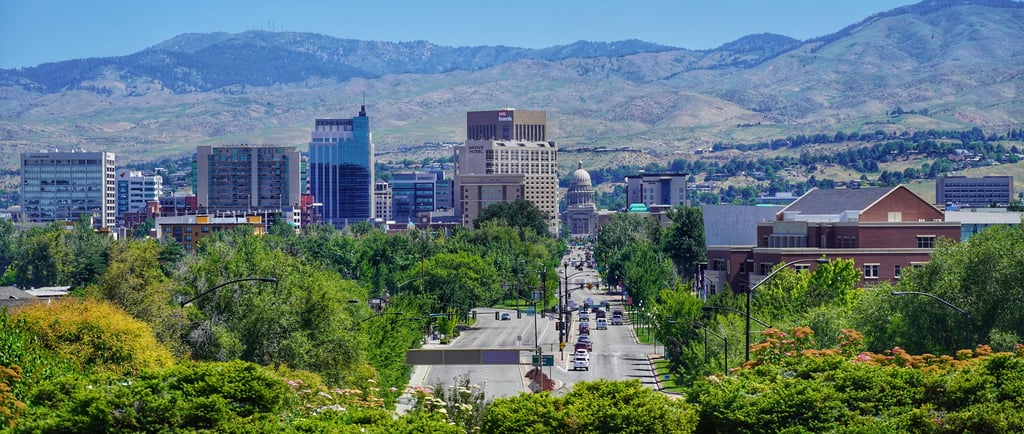
The Treasure Valley, nestled in southwestern Idaho, is a dynamic region characterized by its diverse geography, vibrant communities, and promising economic prospects. Bounded by the stunning Owyhee Mountains to the southwest and the Boise Foothills to the north, this valley is aptly named for its rich agricultural land and natural beauty. The area encompasses several cities, including Boise, Meridian, Nampa, and Caldwell, each contributing to the rich tapestry of life that defines the valley.
The demographics of the Treasure Valley are equally compelling, showcasing a population that has steadily grown in recent years. Over 700,000 residents call this region home, drawn by the appealing quality of life, favorable climate, and economic opportunities. This noticeable influx of newcomers, particularly from larger urban areas, has sparked interest among property buyers and renters alike, raising questions about the region's cost of living and housing market dynamics.
The Treasure Valley also serves as a major economic hub, with a diverse economy encompassing healthcare, education, technology, and agriculture. The presence of several universities and a range of businesses contributes to a robust local economy, with job opportunities that attract skilled professionals from around the country. As such, the region holds strong appeal not only for its residents but also for those considering relocating to experience the unique lifestyle it offers.
In this blog post, we will delve into the true cost of living in the Treasure Valley, providing a comprehensive breakdown that considers various factors, from housing and utilities to transportation and lifestyle. By understanding these elements, both current residents and prospective newcomers can gauge the financial implications of living in this vibrant valley.
Housing Costs: Rent and Home Prices
The housing market in the Treasure Valley has experienced significant changes over the past few years, reflecting broader trends in the American real estate landscape. As of 2026, the average rent for a one-bedroom apartment in this region hovers around $1,500 per month, a figure that exceeds the national average by about 12%. For families seeking larger accommodations, a three-bedroom home's rental price typically reaches approximately $2,300 monthly, again surpassing the national benchmark.
In terms of purchasing property, the Treasure Valley averages a home price of roughly $430,000. This figure ranks the area on the higher end when compared to the overall U.S. marketplace, which reports average home prices nearing $400,000. This increase can be attributed to several factors, including a growing population, increased demand for housing, and limited inventory within desirable neighborhoods. Moreover, desirable amenities, scenic views, and proximity to outdoor activities have made properties in this area particularly attractive to potential buyers.
Real estate trends indicate a gradual increase in home prices over the past few years, driven by both local and interstate migration. The appeal of the Treasure Valley lies not only in its diverse housing options but also in its quality of life and robust economic opportunities. However, this upswing in housing demand has led to concerns regarding affordability for residents attempting to enter the market.
Furthermore, various demographic shifts, economic conditions, and changes in remote work policies continue to affect the housing market dynamics. While the demand remains robust, it places pressure on existing supply, resulting in heightened competition and consequent price fluctuations. To navigate this housing landscape effectively, interested renters and buyers should stay informed about market trends, enabling them to make educated decisions.
Utilities and Essential Services: What to Expect
The Treasure Valley, encompassing cities such as Boise, Meridian, and Nampa, is known for its scenic beauty and affordability. However, understanding the costs associated with utilities and essential services is crucial for potential residents. Typical utility expenses in this region include electricity, water, sewage, and internet services.
On average, a household in the Treasure Valley can expect to pay approximately $100 to $150 per month for electricity. This figure can vary significantly depending on the size of the home and the energy efficiency of appliances used. For comparative purposes, this cost is relatively lower than the national average, positioning the Treasure Valley as an attractive option for families and individuals alike.
Water and sewage services generally run between $50 and $80 monthly, depending on usage and local providers. The Treasure Valley benefits from several water districts that strive to keep rates manageable. When compared to other regions in the United States, these utility costs fall within the mid-range, emphasizing the area's commitment to maintaining an affordable living environment.
Internet service in the Treasure Valley can vary based on provider and speed, with average monthly bills ranging from $50 to $100. Many residents have access to competitive pricing due to multiple service providers in the area, including traditional wired options and newer fiber-optic services that promise higher speeds for similar costs.
When evaluating the overall cost of living, it is important to consider how these utility expenses interact with housing prices and other living expenses. The combination of reasonable pricing for essential services significantly influences the overall affordability of living in the Treasure Valley. Therefore, prospective residents should take into account these utilities and essential services costs when budgeting for a move into this vibrant community.
Transportation Expenses: Getting Around the Valley
When it comes to understanding the cost of living in the Treasure Valley, it's essential to consider transportation expenses. The area offers a variety of options for getting around, ranging from personal vehicles to public transportation systems. Gas prices in the region fluctuate but are generally in line with national averages, which can impact monthly budgets depending on the amount one drives.
For those who prefer convenience, owning a vehicle is common among residents of the Treasure Valley. However, it is important to account for the costs associated with vehicle ownership, such as insurance, maintenance, and fuel. Additionally, the expansive nature of the valley means that more often than not, residents must travel moderate to long distances for work, shopping, and recreational activities, which can contribute significantly to overall transportation expenses.
The public transportation system in the Treasure Valley, primarily operated by ValleyRide, provides bus services that connect various areas within Boise, Meridian, Nampa, and Caldwell. While this can be a cost-effective alternative to driving, service availability may be limited, especially outside of peak hours. Monthly passes and single-ride fees present financially manageable options for those who do not own a vehicle. However, the reliability and efficiency of public transportation can greatly vary, influencing daily commuting experiences.
Moreover, commuting distances can present additional challenges. Many residents commute to neighboring cities for employment opportunities or school, which can lead to increased time spent on the road. This affects many aspects of life, from work-life balance to additional expenses related to wear and tear on vehicles. In summary, understanding the transportation expenses in the Treasure Valley is crucial, as they play a significant role in the overall cost of living in this vibrant and growing area.
Groceries and Dining: Food Costs Analysis
The Treasure Valley, encompassing cities such as Boise, Meridian, and Nampa, offers a wide range of food options affecting the overall grocery and dining expenses for residents. Understanding the local food costs is essential for effective budgeting, particularly for those moving to or living in this region.
In recent years, grocery prices in the Treasure Valley have seen a noticeable increase, often reflecting national trends. As of 2026, the average monthly grocery bill for a single adult can range from $300 to $500, depending on dietary preferences and shopping habits. This cost can vary even further when comparing local grocery chains such as Albertsons, WinCo Foods, and Costco. For instance, while WinCo tends to offer lower prices, Albertsons may provide a more convenient shopping experience with higher prices for certain items.
Additionally, residents should consider the cost of dining out, which has also risen significantly. On average, a meal at an inexpensive restaurant in the Treasure Valley can cost between $15 to $25 per person. Dining at mid-range establishments typically runs higher, with the average cost for a three-course meal for two people falling between $60 and $100. These prices position Treasure Valley dining options slightly above the national average, whereby casual dining tends to be more affordable compared to large metropolitan areas.
Despite the rising costs, Treasure Valley remains home to a vibrant culinary scene, featuring everything from local farmer's markets to diverse international cuisines. For individuals and families willing to explore their dining options, the region provides a blend of affordability and quality. Overall, evaluating food costs through both grocery shopping and dining out can lead to informed decisions and better financial planning in the Treasure Valley.
Health Care and Insurance: A Necessary Investment
Health care is a critical aspect of living in any community, including the Treasure Valley. As residents evaluate their overall cost of living, it is essential to consider health care expenses, which comprise insurance premiums, out-of-pocket costs, and access to medical services. These factors not only impact individuals but also influence the overall economic landscape of the Valley.
Insurance premiums can vary significantly depending on the chosen plan, the scope of coverage, and the individual or family’s health needs. In the Treasure Valley, residents can expect to pay an average monthly insurance premium that falls within the national range but may fluctuate based on the provider and specific coverage. Additionally, many residents may face deductibles and co-pays, contributing further to their health care expenditures. This underscores the importance of carefully selecting an insurance policy that balances premium costs with adequate coverage.
Out-of-pocket costs are another significant consideration when discussing health care expense. This encompasses expenses for services not covered by insurance, such as certain specialist visits or prescription medications. The accessibility of medical services also plays a crucial role; the Treasure Valley is home to a variety of health services, yet individuals may still encounter challenges in obtaining necessary care promptly due to wait times or availability of specialists.
Moreover, preventative care is increasingly recognized as a vital component of health maintenance. Regular check-ups, screenings, and vaccinations can help avoid more significant health issues down the line, reinforcing the necessity of investing in health care. As residents analyze their financial commitments, understanding local health care dynamics assists in forming a comprehensive view of their cost of living in the Treasure Valley.
Miscellaneous Expenses: Entertainment, Clothing, and More
When evaluating the cost of living in the Treasure Valley, it is crucial to consider miscellaneous expenses that extend beyond housing, utilities, and groceries. These costs can significantly influence an individual's lifestyle and overall budget. Among these expenses, entertainment, clothing, and personal care emerge as notable contributors to the financial landscape.
Entertainment options in the Treasure Valley are diverse, catering to a range of interests and preferences. Movies, dining out, and recreational activities can accumulate costs that vary by frequency and choice. For instance, a night at the cinema might cost around $12 per ticket, while a meal for two at a mid-range restaurant could easily reach $60 or more. Additionally, families may wish to engage in local attractions, such as amusement parks or cultural events, which can further contribute to entertainment expenses.
Clothing and personal care are also vital components of miscellaneous expenses. The average cost for clothing can vary significantly based on personal taste, with budget-conscious individuals opting for sales and thrift stores, while others may prefer high-end retail options. On average, households may spend anywhere from $100 to $400 monthly on clothing, depending on lifestyle needs and shopping habits.
Moreover, personal care services, including haircuts, grooming, and spa treatments, can add to overall monthly expenditures. A standard haircut may cost between $20 and $50, depending on the stylist and the complexity of the service. For those who require frequent grooming or beauty treatments, these costs can escalate quickly.
In sum, when considering the true cost of living in the Treasure Valley, it is essential to account for these miscellaneous expenses. They play a decisive role in shaping one's financial commitments and overall lifestyle satisfaction. Developing a comprehensive understanding of these costs—ranging from entertainment outings to clothing purchases—allows for a more informed approach to budgeting and financial planning in this desirable region.
Contact
Reach out for personalized real estate guidance.
© 2026. All rights reserved.