
Understanding Commute Times: Boise Bench to Downtown Boise & Boise Airport
BOISE BENCH
Klark Kent Sparks
2/9/20267 min read
Understanding Boise's Commute Landscape
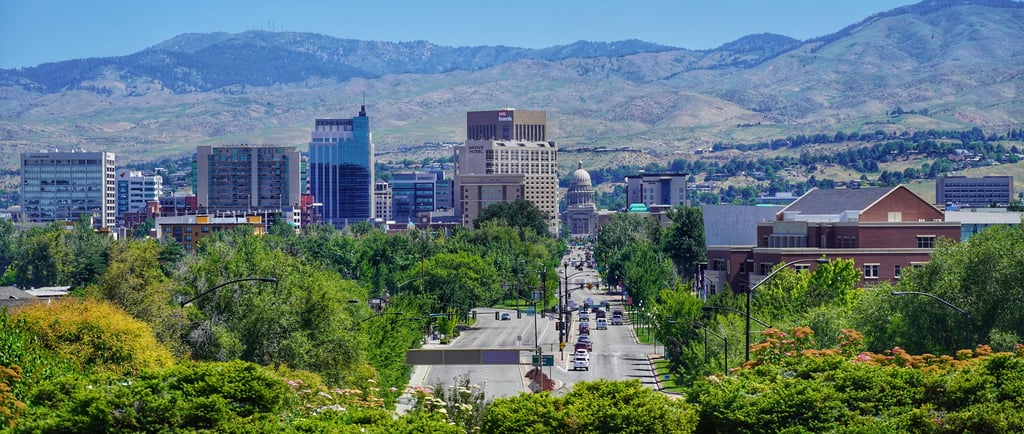
Situated in the heart of Ada County, Boise is a vibrant city that serves as the capital of Idaho. Characterized by its unique geographic layout, the city seamlessly integrates urban living with the beauty of the surrounding nature. The Boise Bench area is primarily a residential neighborhood that offers a peaceful living environment, while downtown Boise is a bustling hub of economic activity, cultural attractions, and social interactions. As the city continues to grow, understanding commute times between these key locations is becoming increasingly important for the residents.
In recent years, Boise has experienced a substantial influx of new residents drawn by its favorable economic opportunities and quality of life. Consequently, the population growth has led to increased traffic density, making an understanding of commute times essential for daily planning and optimization of one’s schedule. The duration of these commutes can significantly impact work-life balance, making it vital to evaluate the routes taken when traveling to downtown Boise or the Boise Airport.
As more individuals seek employment in the city's lively economic landscape, the need to comprehend the implications of commute times is undeniable. This knowledge helps residents to better navigate their busy lives, thus fostering well-connected communities and enhancing overall productivity. Moreover, it assists in setting realistic expectations regarding travel durations, encouraging individuals to explore alternatives, such as carpooling or public transportation, to mitigate the effects of rush hour traffic. By diving deeper into the commuting patterns, residents can effectively manage their time, contributing to a more organized and fulfilling daily routine.
Commute times are influenced by a myriad of factors, beginning with traffic conditions. Traffic congestion is one of the most significant contributors to extended travel durations. During peak hours, the volume of vehicles on the road increases substantially, resulting in slower speeds and longer trip times. Conversely, during off-peak hours, commuters may experience a smoother flow of traffic, leading to more predictable commute durations.
The time of day also plays a critical role in determining how long a commute might take. For instance, morning rush hour typically experiences increased congestion as individuals make their way to work, whereas mid-afternoon or late evening commutes tend to be less hindered by traffic. In this light, planning commutes outside these peak periods can lead to substantial time savings.
Weather impacts are another crucial factor to consider. Adverse weather conditions, such as rain, snow, or fog, can drastically reduce visibility and road traction, which can lead to slower speeds and increased commute times. For example, a heavy snowfall can create hazardous driving conditions, causing significant delays or even temporary road closures, thus extending travel times unexpectedly.
Seasonal variations also affect commutes; summer vacations may result in less traffic in some areas, while holiday seasons may lead to increased congestion. Local events, such as festivals, sporting events, or construction projects, can similarly disrupt usual traffic patterns. Road closures or detours due to ongoing construction can introduce additional delays and should be monitored by commuters to avoid unexpected travel times.
Ultimately, understanding these factors can help individuals make informed decisions regarding their travel plans, potentially optimizing their overall commute times.
Average Commute Time from Boise Bench to Downtown Boise
The average commute time from Boise Bench to Downtown Boise is a critical factor for those who make this journey daily, whether for work or other commitments. Typically, during peak hours, which are usually from 7:00 AM to 9:00 AM and 4:00 PM to 6:00 PM, the commute can take anywhere from 20 to 30 minutes. This duration may vary based on traffic conditions, as congestion can significantly increase travel times. In contrast, during off-peak hours, the commute can be noticeably quicker, often taking around 15 to 20 minutes.
Numerous variables can influence the actual commute time, including the time of day, weather conditions, and specific routes chosen. The primary route taken by most commuters is via the I-184, which directly connects the Boise Bench to Downtown Boise. However, alternative routes, such as local streets, may provide a more scenic view and can be less congested at certain times of the day.
Public transportation is another option worth considering for this commute. The ValleyRide bus service provides convenient transportation from the Boise Bench to various points in Downtown Boise. While the bus may take a bit longer than driving, with an average travel time of around 30 to 40 minutes during peak hours, it offers a sustainable alternative that eliminates the hassle of parking in downtown. Furthermore, carpooling initiatives are prevalent among commuters in this area, often resulting in a more efficient travel experience.
Understanding these commute times and options can significantly impact one’s daily routine and help in planning a more efficient travel schedule. With effective planning, commuters can better manage their time, whether choosing to drive, use public transport, or even consider biking as an eco-friendly option.
Average Commute Time from Boise Bench to Boise Airport
Commuting from Boise Bench to Boise Airport typically reflects an average travel time of approximately 15 to 25 minutes during regular traffic conditions. However, this duration can vary significantly based on the time of day, weather, and local events that may impact road congestion. For instance, peak morning and evening hours generally witness increased traffic, often extending the travel time beyond the typical range.
During weekday mornings, particularly between 7:00 AM and 9:00 AM, commuters may experience longer delays as individuals commute to work, making the airport trip potentially last up to 30 minutes. Conversely, late morning to early afternoon travel times are usually shorter, around 15 minutes, as traffic patterns tend to ease. In the evening, travelers may again face longer wait times as they navigate the busier commute hours from 5:00 PM to 7:00 PM.
Moreover, unpredictable factors such as construction work or adverse weather can create additional delays that affect commute times. Rain or snow can significantly impact road conditions, making it prudent for travelers to allocate extra time for their journeys to the airport. To minimize delays and ensure timely arrivals at the airport, it is advisable to leave early and check real-time traffic reports before setting off.
For the most effective planning, individuals should consider their flight times and factor in potential wait times for security and check-in at the airport. The best practice is to arrive at the airport at least two hours before domestic flights to accommodate any unforeseen circumstances that could affect the commute from Boise Bench.
Public Transportation Options for Commuters
Public transportation in Boise offers several options that accommodate commuters traveling between the Boise Bench, downtown Boise, and Boise Airport. The ValleyRide bus service is the primary provider for public transit in the region. This service operates numerous routes throughout the city, ensuring that residents have convenient access to major destinations, including employment centers, educational institutions, and leisure activities. For those residing on the Boise Bench, the local bus routes provide direct connections to downtown Boise, utilizing major thoroughfares to facilitate efficient travel.
A key advantage of using public transportation is the frequency of service. Buses typically run on a consistent schedule with peak time service making it easier for commuters to rely on them for their daily travel needs. For instance, during high-demand hours, buses may operate as often as every 15 minutes, allowing minimal wait times for passengers. Additionally, ValleyRide has implemented measures to enhance the convenience of its services, such as real-time tracking apps that enable riders to plan their journeys efficiently.
Another transport option available to residents is the shuttle service to Boise Airport. This service is particularly beneficial for those traveling for business or leisure, as it alleviates the parking challenges often associated with airport travel. The shuttle provides a direct route from various points in Boise, including the Boise Bench, to the airport terminal, aiming to streamline the overall travel experience. Overall, public transportation in Boise effectively meets the commuting needs of its residents, offering accessible, cost-effective alternatives for those journeying to downtown Boise and Boise Airport.
Cost of Commuting: A Financial Perspective
The cost of commuting from the Boise Bench to downtown Boise and Boise Airport is an essential consideration for both residents and visitors. Understanding the various expenses involved can significantly impact personal budgets. There are several financial factors to consider, including fuel costs, public transportation fares, parking fees, and maintenance expenses related to personal vehicles.
When using a personal vehicle, fuel costs can vary significantly depending on the distance traveled and the fuel efficiency of the car. Considering the average commute distance from Boise Bench to downtown Boise is approximately four miles, this may result in a modest daily fuel expense. However, frequent commutes can add up over time, especially with fluctuating gas prices.
Parking is another important financial aspect. Daily parking fees in downtown Boise can range from $5 to $10, depending on the location and duration of the stay. For individuals commuting multiple times a week, this cost can accumulate quickly, impacting the overall commuting budget.
On the other hand, public transportation offers a more economical alternative. Bus fares in Boise are relatively affordable, with single ride tickets costing around $1.50. Additionally, various transit passes provide savings for regular commuters. For example, a monthly pass can result in significant savings compared to the combined costs of driving, parking, and fuel.
Moreover, choosing public transportation can offer indirect savings, such as minimizing wear and tear on a personal vehicle and reducing insurance costs associated with extensive driving. Therefore, weighing the costs of commuting through different modes of transport—whether it be personal vehicles or public transit—can reveal which option is more financially viable based on individual circumstances.
Conclusion and Tips for Commuters
As we have explored throughout this post, understanding commute times from Boise Bench to Downtown Boise and Boise Airport is essential for effective daily planning. Commuters in this region face varying travel durations influenced by factors such as peak hours, weather conditions, and road maintenance. By acknowledging these elements, residents can better prepare for their journeys, ultimately leading to less stress during commutes.
To optimize commuting experiences, it is advisable to plan trips ahead of time. Using navigation apps can significantly aid in selecting the best routes and avoiding potential delays. These applications often provide real-time updates on traffic conditions, allowing commuters to make informed decisions about alternative paths or departure times. Moreover, incorporating buffer time into regular schedules can be beneficial, reducing the likelihood of late arrivals.
In addition to technological assistance, it may be worthwhile to consider flexible work arrangements. Many organizations now offer options for remote work or adjustable hours, which can greatly mitigate time spent in transit. By staggering work hours or working from home when feasible, individuals can avoid peak traffic periods, resulting in notable savings in both time and fuel costs.
Lastly, carpooling or using public transportation not only enhances social interaction but can also promote sustainability. These methods can significantly lower the number of vehicles on the road, easing congestion and enhancing overall commute efficiency. By adopting these strategies, residents can improve their commuting experience while fostering a community-oriented approach to travel in Boise.
Contact
Reach out for personalized real estate guidance.
© 2026. All rights reserved.